
- 0
- 949 words
Finding reliable dog obedience training classes near me can make all the difference when helping your dog learn better manners, follow commands, and feel more confident around people and other pets. At Rob’s Dog Training, we believe your dog’s behavior should support a peaceful home and a stronger bond between you and your furry best friend. That’s why we guide you step by step, helping your dog learn skills that last a lifetime.
Why Obedience Matters to Everyday Life
Obedience training is not only about teaching basic cues like “sit” or “stay.” It shapes your dog’s behavior in ways that allow you to enjoy daily activities without stress. Imagine going for a walk without leash pulling or having guests arrive without your dog jumping on them. These improvements make life easier and help your dog feel more comfortable in different environments.
Training also strengthens communication between you and your dog. When your commands are clear and your dog understands what you expect, there’s a deeper level of trust. Your dog learns how to behave, and you gain confidence in handling different situations.
Positive Training Methods Build Confidence
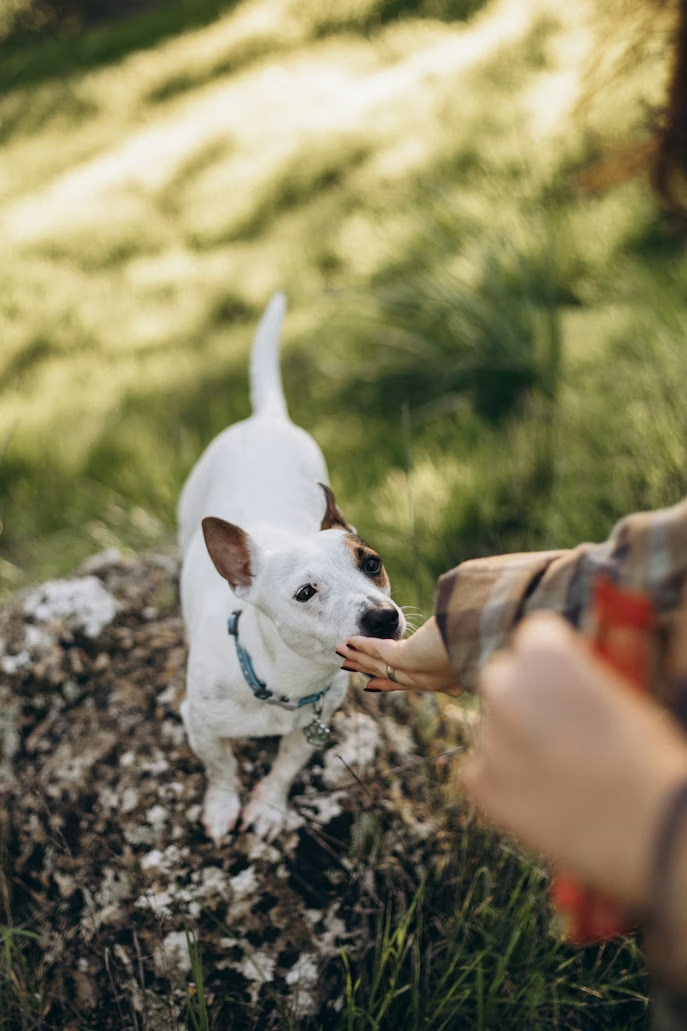
Great results come from patience and consistent guidance. At our training sessions, we center our lessons on positive reinforcement. Your dog learns by associating commands with rewards like treats, praise, or playful interaction. This approach encourages your dog to enjoy the training process rather than feel stressed or confused.
When dogs feel safe and rewarded for good behavior, they stick to it more willingly. Positive methods encourage excitement to follow commands, making the learning experience feel like a fun game instead of a chore.
What You Can Expect from Quality Obedience Classes
Before choosing a training facility, it’s important to know what takes place during structured obedience lessons. Here’s what high-quality training should include:
✔ Basic Commands
These are the foundation of polite behavior. Classes should include progressions of commands such as:
- Sit
- Stay
- Come
- Down
- Leave it
- Heel or loose-leash walking
Mastering these cues allows your dog to follow direction anywhere, not just during training.
✔ Real-Life Application
Dogs need to practice commands in real situations. Effective training places dogs in controlled environments that mimic realistic distractions, helping them respond even when other animals, people, or noises are present.
✔ Consistency and Routine
Our trainers help you learn techniques to practice at home. The progress doesn’t end when class is over. Practicing routines in your home, yard, or during walks maintains what your dog learns in class. Repetition builds reliability.
✔ Respect and Understanding
Your dog is never rushed or pressured to learn faster than they can handle. Each dog learns differently. Good training respects your pet’s limits while encouraging steady improvement.
The Role of the Owner in Successful Training
The most effective training involves both the dog and the owner working together. Even the best classes require your participation to reinforce lessons at home. Our goal isn’t only to train your dog, it’s to teach you how to guide your dog using the same methods and cues consistently.
You’ll learn:
- How to issue commands clearly
- How to reward good behavior correctly
- What actions to avoid when correcting behavior
- How to build consistency during daily activities
When you use the same language and actions as the trainer, your dog learns faster and remembers the lessons better.
Common Behavioral Challenges Training Can Help With
Professional training supports more than just basic commands. Many common behavioral issues improve with structured lessons, such as:
- Jumping on people
- Barking excessively
- Chewing on furniture or objects
- Aggressive or anxious responses
- Herding or chasing behavior
- Hyperactivity indoors
- Pulling or lunging on walks
By addressing these behaviors step-by-step, your dog learns what’s appropriate, without fear or punishment.
Why Local Classes Matter
Searching locally gives you access to ongoing support. If questions or new challenges arise, you can reach out to your trainer easily instead of trying to figure things out alone. Being local also means your trainer understands the behavior concerns common in your community, including neighborhood distractions, local weather changes, or regional breed preferences.
A nearby trainer allows you and your dog to stay consistent with lessons, making it easier to attend classes regularly and stick to a training schedule.
Group Classes vs. Private Lessons
Here’s what to consider when deciding what type of class suits your dog best:
Group Classes
- Help dogs socialize
- Teach focus around distractions
- Provide a fun learning environment
- Ideal for most family pets
Private Lessons
- Focus on specific goals
- Help with severe behavior issues
- Provide personalized training pace
- Useful for anxious or reactive dogs
Both options offer great results depending on your dog’s needs. Some dogs even benefit from a combination of both.
The Long-Term Benefits of Obedience Training
Dogs who complete obedience training tend to be calmer, more confident, and more enjoyable to live with. Training encourages self-control, respect, and better communication. It also contributes to overall safety. A well-trained dog is less likely to dash into traffic, react aggressively, or ignore your call in dangerous situations.
The benefits extend far beyond a well-behaved home. Your dog becomes a polite companion in parks, shops, and anywhere pets are allowed.
Final Thoughts: A Smart Step for a Happier Dog
Choosing dog obedience training classes near me helps set your dog up for a lifetime of good habits and understanding. With support from Rob’s Dog Training (https://robsdogs.com/), you’re not just signing up for a class, you’re creating a smoother and more enjoyable daily life with your dog. Let’s work together toward a future filled with good behavior, confidence, and the peaceful relationship every pet owner deserves.
Author

Related Posts

How to Take Good Care Of Your Pomeranian Puppy
- 0
- 537 words
Pomeranians are small and fluffy dogs that are popular and loved for their cute appearance and playful nature. Taking care of a...
Read out all
6 Mistakes to Avoid When Using Clumping Cat Litter
- 0
- 618 words
Clumping cat litter has become a popular choice for cat owners because it makes cleaning easier and helps control odors effectively. It...
Read out all
The Impact of Iguanas on Local Ecosystems
- 0
- 566 words
Iguanas can be a stunning part of the flora and fauna in tropical communities, yet their increasing populations pose significant challenges to...
Read out all
How Natural Cat Litter Protects Your Home and Keeps Your Cat Happy
- 0
- 667 words
Cats are wonderful pets, but keeping their living space clean and healthy is important for both the cat and the home. Choosing...
Read out all
Building Trust Between Your Pet and a Professional Sitter
- 0
- 529 words
When it comes to ensuring the comfort and safety of your beloved pets, establishing trust between your pet and a professional sitter...
Read out all
Ways an Assistant Dog Helps People in Daily Life
- 0
- 498 words
When we discuss service dogs, many people tend to envision guide dogs for the blind. However, the truth is that assistance dogs...
Read out all