
- 0
- 1,369 word
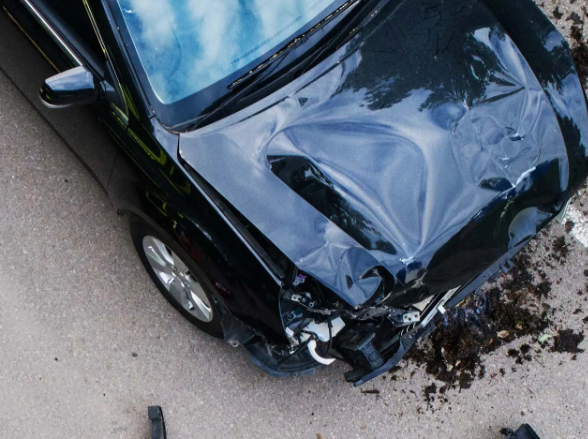
A road collision can disrupt everyday life, even when another driver appears responsible. Beyond the immediate shock, motorists may face damaged bodywork, transport difficulties, insurance questions, and uncertainty about repairs. Finding reliable information about Non Fault Accident Epping situations can help drivers understand their responsibilities and the practical steps involved in restoring a vehicle. Importantly, responsibility is established through evidence and insurer assessments rather than simply through either driver’s initial account.
Safety Comes Before Repair Arrangements
The first priority after any collision is checking whether anyone needs assistance. Vehicles should be stopped safely, hazard lights used where appropriate, and emergency services contacted when there is serious injury or immediate danger. Drivers should avoid standing in moving traffic or attempting to retrieve items from unsafe locations. A damaged car should not be driven if steering, braking, lighting, tyres, or structural components may have been compromised. Recovery may be safer than attempting a journey to a repair facility.
Recording What Happened
Clear evidence can make subsequent discussions easier. Useful records include photographs of vehicle positions, registration plates, damaged areas, road markings, traffic signs, and the wider scene. Drivers should also note the time, location, weather, and any witnesses. Dashcam recordings may be particularly helpful, provided the original footage is preserved. Observations should be factual rather than speculative. Recording the scene safely and promptly reduces the chance that important details will be forgotten after the immediate disruption has passed.
Exchanging Details and Notifying Insurers
Following a collision, drivers have legal duties to stop and provide required identifying information when applicable. Where details cannot be exchanged, or the circumstances otherwise require reporting, the incident should be reported to the police in accordance with the rules. Insurers should also be informed, even when the policyholder does not intend to claim. Giving accurate information early helps establish a consistent record and can reduce complications if another party later disputes the circumstances.
What Non Fault Really Means
The phrase non fault commonly describes an accident where another party is responsible for the loss. However, insurers may initially classify claims differently while liability or cost recovery remains unresolved. An accident can also have consequences for premiums even when the policyholder did not cause it. A no claims discount is not automatically protected simply because the driver believes the incident was someone else’s fault. The treatment depends on the claim, recovery position, and policy terms.
When Liability Remains Disputed
Drivers sometimes assume that a rear impact or a clear photograph settles responsibility immediately. In practice, different accounts, unclear road markings, or missing evidence may delay a decision. Insurers can consider statements, photographs, witness information, and other available records before accepting liability. It is sensible to avoid agreeing to a version of events that does not match what happened. Instead, drivers can provide a factual description and allow the relevant parties to review the evidence.
Where responsibility is shared, the financial outcome may differ from a straightforward claim against another driver. Keeping copies of correspondence makes it easier to understand how a decision was reached and whether additional information is needed. Disagreements about repair costs or a policy decision may also be raised through an insurer’s complaints process where appropriate. This is separate from determining who caused the collision, and individual circumstances can influence the available options and outcomes.
Understanding Repair Routes
Drivers may be able to arrange repairs through their own insurer, the other driver’s insurer, or another appropriate claims route. Each option can involve different procedures, authorisations, repair networks, and payment arrangements. Before proceeding, it is sensible to understand who is instructing the work, whether an excess applies, and how any costs might be recovered. Repair choices should also account for the vehicle’s condition and any manufacturer requirements. Neither speed nor convenience should replace a proper damage assessment.
Inspecting Visible and Hidden Damage
A cracked bumper or dented wing can conceal additional damage. Brackets, mounting points, reinforcements, sensors, and adjacent panels may be affected even when the external impact looks modest. A comprehensive inspection helps establish what needs repair, what requires replacement, and whether further dismantling will reveal underlying concerns. Photographs and written estimates can document these findings. The inspection should consider whether the car can safely be moved as well as the appearance of the damaged area.
Structural Safety and Modern Vehicles
Modern vehicles use carefully engineered structures to manage collision forces. Incorrect repairs can affect the way those structures perform in another impact. When damage involves structural sections, trained technicians should follow appropriate manufacturer repair information and use suitable measuring and joining methods. Certain components may require replacement instead of straightening. Safety critical work should never be assessed solely by how straight a panel looks after refinishing. The objective is to restore function and protection, not merely disguise evidence of a collision.
Sensors and Driver Assistance Systems
Parking sensors, cameras, radar units, and other electronic equipment may sit behind bumpers or near damaged body panels. Even a small movement can affect how some systems operate. Depending on the vehicle and the repair, checks, diagnostic scans, or calibration may be required. Warning lights are not the only indication of a potential problem. Relevant procedures should be determined from manufacturer guidance and the actual damage. This is particularly important where accident repairs involve modern driver assistance features.
Panel Repair and Paint Restoration
Where damage is cosmetic, repairs may involve reshaping a panel, treating scratches, preparing the surface, and refinishing it. More substantial impact may require a replacement panel or additional structural work. Correct alignment, even gaps, secure fixings, and functional doors or lights matter as much as visual appearance. Colour matching helps newly painted sections sit naturally alongside older paintwork. Surface preparation and appropriate curing also influence durability, while exposed metal must be protected against corrosion.
Managing Estimates and Supplementary Damage
An initial estimate may change after damaged components are removed. Hidden brackets, clips, supports, or related parts can become visible during dismantling, making supplementary approval necessary. This does not automatically mean the original assessment was careless; some damage simply cannot be confirmed from outside. Written records explaining additional work help insurers, repairers, and owners understand the reason for changes. Clear communication is especially valuable when parts availability or authorisation affects the anticipated completion date.
Replacement Transport and Costs
A driver whose vehicle cannot be used may need alternative transport. However, a replacement car is not an automatic entitlement in every case, and costs must be considered carefully. Insurance cover, liability, reasonable need, and the terms of any hire agreement can affect who ultimately pays. Credit hire arrangements deserve particular attention because the driver may sign a financial agreement. Understanding the conditions before accepting transport is safer than assuming all charges will necessarily be recovered from another insurer.
The Importance of Final Checks
Before a repaired vehicle returns to everyday use, the work should be checked for quality and function. Panel fit, lighting, warning messages, paint finish, trim security, and relevant mechanical systems may need review. Where repair procedures call for calibration, it should be completed and documented. Drivers should retain invoices and repair records, particularly when significant accident work has been undertaken. Good documentation can prove useful for later maintenance, future claims, and honest disclosure when selling the car.
Protecting Long Term Vehicle Condition
Prompt repairs help prevent exposed surfaces from deteriorating and damaged fittings from becoming loose. Proper cleaning and paint aftercare can preserve refinished areas, while any unusual noise, vibration, pulling, or dashboard warning following collection deserves attention. Maintaining a clear history of what was inspected and repaired also helps owners understand the vehicle’s condition over time. A satisfactory outcome should deliver both visual improvement and confidence in safe operation.
Conclusion
A non fault collision involves more than deciding who caused the impact. Safety, evidence, insurer communication, repair assessment, structural considerations, and cost arrangements all affect the outcome. Understanding Non Fault Accident Epping procedures helps motorists approach these decisions with realistic expectations. Thorough inspection and appropriate repair methods protect vehicle condition, while accurate records support a clearer claims process. The most useful approach is informed, careful, and focused on returning the vehicle to dependable use without overlooking possible hidden damage or financial responsibilities for drivers and their families.
Author

Related Posts
Premium Tyres Watford
- 0
- 1,355 word
Choosing the right tyres is an important decision for motorists who value road safety, driving comfort, and dependable vehicle performance. Tyres influence...
Read out all
Porsche Air Condition Service Hertfordshire
- 0
- 1,236 word
Porsche vehicles are recognised for their performance, comfort, and advanced automotive technology. Whether driving a 911, Cayman, Boxster, Macan, Cayenne, Panamera, or...
Read out all
BMW Transmission and Gearbox Service Hoddesdon
- 0
- 1,025 word
BMW vehicles are known for responsive handling, refined power delivery, and a driver focused experience. Whether it is a 1 Series, 3...
Read out all
Exhaust Replacement Harlow
- 0
- 610 words
The exhaust system is an important part of any modern vehicle. It helps manage engine gases, reduce emissions and control noise while...
Read out all
Jaguar Diagnostics Hatfield
- 0
- 1,340 word
Jaguar vehicles combine distinctive styling, refined performance, advanced electronics, and sophisticated engineering. Modern models rely on interconnected control systems to manage everything...
Read out all
Mercedes Benz Specialist Hertford: A Guide to Maintaining Your Mercedes
- 0
- 1,397 word
Mercedes Benz vehicles combine comfort, technology, performance and sophisticated engineering. From compact models designed for everyday commuting to executive saloons, SUVs and...
Read out all