
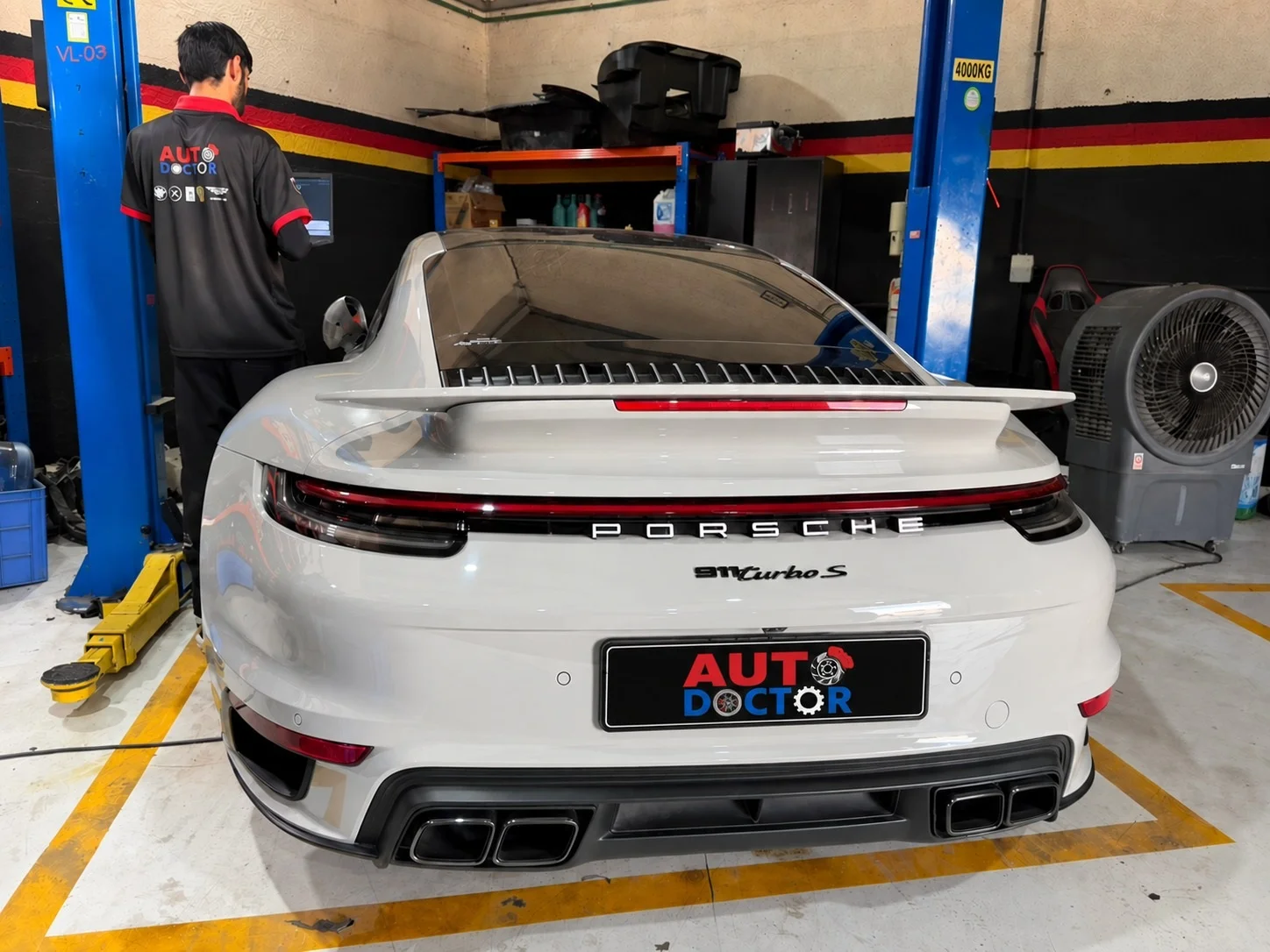
- 0
- 1,236 word
Porsche vehicles are recognised for their performance, comfort, and advanced automotive technology. Whether driving a 911, Cayman, Boxster, Macan, Cayenne, Panamera, or Taycan, maintaining a comfortable cabin temperature is an important part of the ownership experience. Air conditioning systems do more than provide cool air during summer. They also regulate humidity, improve visibility, maintain cabin air quality, and support passenger comfort throughout the year.
Like other vehicle components, air conditioning systems require regular inspection and maintenance. Refrigerant levels can decline, filters become blocked, seals deteriorate, and mechanical components develop faults. Understanding how these systems operate helps Porsche owners recognise potential problems before they become expensive repairs.
Understanding Porsche Air Conditioning Systems
Modern Porsche vehicles use advanced climate control systems designed to maintain consistent cabin temperatures. Depending on the model, these systems may include automatic climate regulation, multiple temperature zones, humidity sensors, electronic control modules, and sophisticated air distribution mechanisms.
The main components generally include a compressor, condenser, evaporator, expansion device, refrigerant pipework, sensors, and cabin filters.
Each component performs a specific function. The compressor circulates refrigerant, the condenser releases heat, and the evaporator absorbs heat from cabin air. Sensors and electronic controls regulate these processes to deliver the selected temperature.
When one component fails, the entire system’s performance may be affected.
Common Signs of Air Conditioning Problems
Air conditioning faults often develop gradually. Drivers may initially notice that the system takes longer to cool the cabin or produces inconsistent temperatures.
Common warning signs include:
- Weak or warm airflow from the vents
- Unusual noises when air conditioning operates
- Unpleasant smells inside the cabin
- Inconsistent cooling between ventilation zones
- Excessive condensation on windows
- Reduced airflow despite higher fan settings
- Climate control warning messages
These symptoms may indicate refrigerant loss, blocked filters, electrical problems, compressor faults, or defective temperature sensors.
Early inspection helps identify the underlying issue before additional components are affected.
Why Refrigerant Condition Matters
Refrigerant plays a central role in transferring heat away from the vehicle’s interior. Without the correct quantity, the cooling system cannot operate efficiently.
Refrigerant levels may decrease because of leaks within hoses, connections, seals, or other components. A significant reduction can weaken cooling performance and affect compressor operation.
During an air conditioning service, technicians may check system pressures, inspect for leaks, recover existing refrigerant, and recharge the system with the appropriate quantity.
Different Porsche models may require different refrigerant specifications. Using the correct refrigerant and following the relevant servicing procedures is essential for reliable operation.
Compressor Inspection and Repair
The compressor is responsible for circulating refrigerant through the air conditioning system. Its operation allows the vehicle to remove heat from the cabin and maintain comfortable temperatures.
A failing compressor may produce unusual noises, inconsistent cooling, or complete loss of air conditioning performance.
Potential causes include internal mechanical wear, electrical faults, damaged connections, lubrication problems, or excessive pressure.
However, poor cooling does not automatically indicate compressor failure. Refrigerant leaks, faulty sensors, and electrical issues can create similar symptoms.
Accurate diagnosis helps distinguish compressor problems from faults elsewhere in the system.
Cabin Filters and Interior Air Quality
Cabin filters help prevent dust, pollen, and airborne particles from entering the vehicle’s ventilation system. Over time, these filters accumulate debris and become less effective.
Blocked filters may restrict airflow, create unpleasant smells, and reduce ventilation performance.
Replacing the cabin filter at suitable intervals supports better air circulation and passenger comfort.
For Porsche owners who regularly travel through busy urban environments, maintaining filtration performance is particularly important because traffic pollution and airborne particles can affect cabin conditions.
The Importance of Condenser Maintenance
The condenser is normally positioned towards the front of the vehicle, where passing air helps release heat from the refrigerant.
Because of its location, the condenser can be exposed to road debris, dirt, stones, and corrosion.
Damage may result in refrigerant leaks or reduced cooling efficiency. Blocked airflow can also place additional strain on the system.
Regular inspection helps identify physical damage, contamination, and signs of leakage before they develop into more serious problems.
Maintaining Climate Control Sensors
Modern Porsche climate systems rely on electronic sensors to monitor temperature, airflow, and operating conditions.
These sensors communicate with control modules to regulate cooling automatically.
If a sensor provides incorrect readings, the system may deliver unsuitable temperatures, behave inconsistently, or display warning messages.
Diagnostic testing can help distinguish sensor faults from refrigerant or mechanical problems.
Software related issues may also affect climate control operation, particularly in vehicles with integrated digital interfaces.
Air Conditioning in Hybrid and Electric Porsche Models
Electric and hybrid Porsche vehicles introduce additional requirements because thermal management may also support important drivetrain components.
Models such as the Taycan use sophisticated cooling and heating systems to regulate passenger comfort and support vehicle efficiency.
Depending on the vehicle design, refrigerant circuits and associated components may contribute to battery temperature management.
Incorrect servicing could therefore affect systems beyond cabin cooling.
Technicians working on electrified Porsche vehicles must follow applicable high voltage safety procedures and manufacturer specifications.
Appropriate training and equipment are particularly important when servicing electrically driven compressors or integrated thermal management systems.
Preventing Unpleasant Cabin Odours
Unpleasant smells from air conditioning vents are often associated with moisture and contamination within the ventilation system.
The evaporator can retain moisture during cooling, creating conditions where microorganisms accumulate.
Regular cabin filter replacement, proper drainage, and suitable evaporator cleaning can help address these problems.
Persistent odours should be investigated rather than covered with fragrances.
Maintaining ventilation cleanliness contributes to a more comfortable interior environment, especially during frequent journeys.
Why Year Round Air Conditioning Matters
Air conditioning is commonly associated with hot weather, but it remains useful throughout colder months.
The system helps remove moisture from cabin air, supporting faster windscreen demisting and clearer visibility.
Regular operation can also help reveal developing faults before warmer weather arrives.
Drivers who ignore their air conditioning throughout winter may discover cooling problems when temperatures increase.
Seasonal inspections provide an opportunity to assess performance before demand becomes greater.
Choosing the Right Maintenance Approach
Drivers considering Porsche Air Condition Service Hertfordshire should understand that effective servicing involves more than simply adding refrigerant.
A complete assessment considers cooling performance, system pressure, refrigerant specification, leak detection, electrical operation, filters, airflow, and component condition.
Vehicle age and maintenance history also influence the inspection process.
Older Porsche models may experience seal deterioration or condenser corrosion, while newer vehicles may require additional electronic diagnostics.
A structured approach reduces unnecessary repairs and helps maintain consistent climate control performance.
Protecting Vehicle Comfort and Value
A properly functioning air conditioning system contributes to the overall condition of a Porsche.
Comfortable temperatures, clear windows, clean airflow, and reliable climate controls all influence the driving experience.
When a vehicle is sold, working air conditioning is also an important part of its appeal.
Documented maintenance can demonstrate that climate control concerns have been addressed responsibly.
Addressing minor faults early may also prevent more expensive component failures and reduce unexpected maintenance costs.
Conclusion
Porsche air conditioning systems combine mechanical components, refrigerant circulation, electronic controls, and advanced climate technology to provide comfortable driving conditions.
Maintaining these systems requires regular inspection, correct refrigerant handling, filter replacement, leak detection, and appropriate diagnostic procedures.
From conventional sports cars to modern hybrid and electric models, climate control maintenance supports passenger comfort, visibility, system efficiency, and long term reliability.
By recognising early warning signs and keeping air conditioning components in good condition, Porsche owners can preserve a comfortable driving environment throughout every season.
Author

Related Posts

Premium Tyres Watford
- 0
- 1,355 word
Choosing the right tyres is an important decision for motorists who value road safety, driving comfort, and dependable vehicle performance. Tyres influence...
Read out all
Non Fault Accident Epping
- 0
- 1,369 word
A road collision can disrupt everyday life, even when another driver appears responsible. Beyond the immediate shock, motorists may face damaged bodywork,...
Read out all
BMW Transmission and Gearbox Service Hoddesdon
- 0
- 1,025 word
BMW vehicles are known for responsive handling, refined power delivery, and a driver focused experience. Whether it is a 1 Series, 3...
Read out all
Exhaust Replacement Harlow
- 0
- 610 words
The exhaust system is an important part of any modern vehicle. It helps manage engine gases, reduce emissions and control noise while...
Read out all
Jaguar Diagnostics Hatfield
- 0
- 1,340 word
Jaguar vehicles combine distinctive styling, refined performance, advanced electronics, and sophisticated engineering. Modern models rely on interconnected control systems to manage everything...
Read out all
Mercedes Benz Specialist Hertford: A Guide to Maintaining Your Mercedes
- 0
- 1,397 word
Mercedes Benz vehicles combine comfort, technology, performance and sophisticated engineering. From compact models designed for everyday commuting to executive saloons, SUVs and...
Read out all