
- 0
- 546 words
Long-term system performance depends significantly on component materials capable of maintaining reliable function across extended operational lifespans. Understanding how specific material properties support this longevity helps engineers appreciate their genuine value beyond initial installation. Exploring this connection helps illustrate why certain material choices continue supporting reliable performance over many years. Setting clear expectations from the outset helps avoid confusion or disappointment later in the process. Seeking recommendations from trusted sources can help narrow down choices and reduce uncertainty considerably.
Why Long-Term Performance Deserves Careful Material Consideration
Materials selected primarily for lower upfront cost often result in more frequent replacement and higher cumulative long-term expenses. Understanding this tradeoff helps engineers appreciate why long-term performance deserves consideration alongside initial material cost. This broader perspective supports more strategic, financially sound material selection decisions over a project’s operational life. Recognizing this importance supports more informed long-term material investment planning. Planning ahead rather than reacting to problems after they arise consistently produces better overall outcomes.
How Nickel Alloy Pipe Supports Extended Operational Life
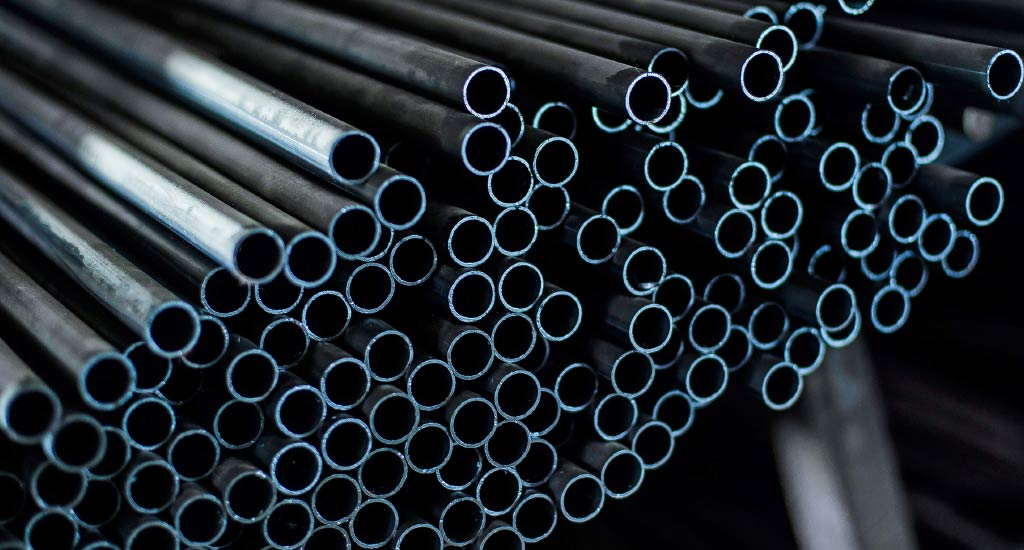
Specifying nickel alloy pipe supports extended operational life through exceptional resistance to the corrosion and wear that gradually degrade standard materials. This durability significantly reduces replacement frequency, supporting more predictable long-term maintenance planning and reduced lifecycle costs. Its consistent performance across decades of documented industrial use reinforces confidence in its long-term reliability. These combined qualities explain why this material continues supporting genuinely long-term system performance.
Understanding the Relationship Between Material Quality and Longevity
Higher-quality materials generally maintain their structural and functional properties longer than materials selected primarily for lower initial cost. This relationship directly affects how frequently components require replacement throughout a system’s operational lifespan. Understanding this connection helps engineers appreciate why quality material selection represents a genuine investment in long-term system performance. Recognizing this value supports more strategic material sourcing decisions. Small details, often overlooked at first glance, can make a meaningful difference in the final result.
Reducing Lifecycle Costs Through Durable Material Selection
Materials that resist degradation reduce the frequency of costly component replacement and the associated system downtime throughout operational life. This reduced replacement frequency often offsets higher upfront material costs over a system’s extended operational lifespan. Understanding this long-term cost perspective helps engineers make more strategic, value-focused material sourcing decisions. This informed approach supports better overall project financial planning and long-term outcomes.
Planning for Long-Term System Reliability
Consulting with experienced engineers helps ensure material selection genuinely supports a system’s intended long-term operational requirements. Considering total lifecycle cost, rather than upfront price alone, supports more informed long-term material investment decisions. Working with reputable suppliers helps ensure materials genuinely deliver the long-term performance claimed in their specifications. This careful, informed approach helps engineers build systems designed for genuine long-term reliability. Consistent attention over time tends to produce far better results than occasional, sporadic effort.
Conclusion
Durable, well-selected materials play a critical role in supporting reliable system performance across extended operational lifespans. Understanding this long-term value helps engineers make more informed, strategic material selection decisions. With careful attention to durability and proven performance, industrial systems can continue delivering reliable performance for many years. Staying informed about industry standards helps property owners and businesses make more confident, educated decisions. Balancing short-term convenience against long-term value remains an important part of almost any major decision.
