
- 0
- 1,391 word
Choosing a qualified Electrician Wandsworth homeowners can rely on is an important part of maintaining a safe, comfortable and efficient property. From resolving electrical faults and upgrading outdated wiring to installing modern lighting and supporting home renovations, professional electrical work helps keep residential properties functioning reliably throughout the year.
Wandsworth, London, features a broad mix of Victorian terraces, period homes, converted flats, contemporary apartments and renovated properties. Each comes with its own electrical requirements, particularly as household technology, energy consumption and modern living standards continue to evolve. Understanding when an electrical system needs attention can help homeowners make better decisions about maintenance, safety and future improvements.
1. Why Electrical Maintenance Matters for Wandsworth Properties
Electrical maintenance is often overlooked until a fault interrupts everyday life. However, wiring, switches, sockets, circuit breakers and other components can deteriorate over time, particularly in properties with older installations or a history of modifications.
Homes around Wandsworth may have undergone multiple renovations, extensions or changes in occupancy. These improvements can introduce additional electrical demand, making it worthwhile to assess whether the existing installation remains suitable.
Regular maintenance can help homeowners:
- Identify deteriorating cables and electrical connections
- Detect faults before they become more disruptive
- Reduce the risk of overloaded circuits
- Maintain reliable power for everyday appliances
- Improve the safety of lighting and socket installations
Preventive maintenance is particularly valuable for older properties where the condition of electrical installations may not be fully documented.
2. Common Electrical Problems Homeowners Should Never Ignore
Electrical faults can appear in several ways, ranging from minor inconveniences to potentially dangerous situations. Recognising early warning signs allows homeowners to arrange appropriate professional assistance.
Some common electrical issues include:
Flickering or Dimming Lights
Lights that flicker repeatedly or dim when appliances are switched on may indicate loose connections, overloaded circuits or other underlying problems. While occasional fluctuations can have different causes, persistent symptoms should be investigated.
Frequently Tripping Circuit Breakers
Circuit breakers are designed to disconnect electricity when they detect certain faults or unsafe conditions. Repeated tripping may indicate an overloaded circuit, damaged appliance or electrical fault that needs attention.
Warm Sockets and Burning Smells
Socket outlets, switches or plugs that feel unusually hot, produce buzzing sounds or give off a burning smell should be treated seriously. Stop using the affected equipment and seek qualified electrical assistance.
Damaged Wiring and Accessories
Cracked sockets, loose switches, exposed wiring and damaged cables can create safety risks. These should not be ignored or covered up with temporary fixes.
A qualified electrician can investigate the cause, determine whether repairs are necessary and recommend an appropriate solution.
3. Upgrading Consumer Units and Electrical Protection
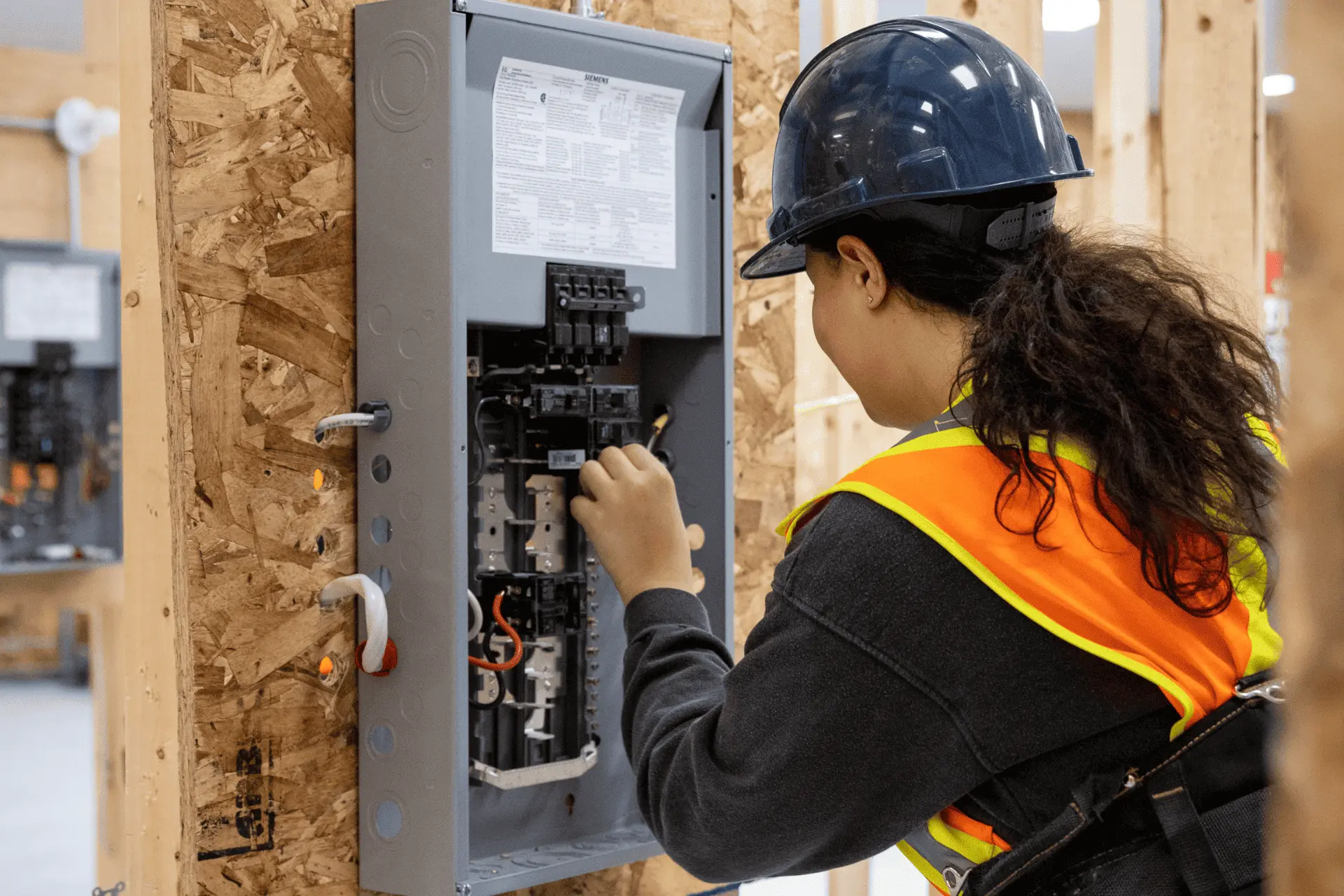
The consumer unit distributes electricity throughout a property and houses protective devices that help disconnect circuits when faults occur. Older fuse boards may lack some of the protection and functionality available in modern installations.
Upgrading a consumer unit can be beneficial when a property is undergoing renovation, adding new electrical circuits or replacing outdated equipment. Modern arrangements may incorporate circuit breakers and residual current protection, depending on the design and requirements of the installation.
However, replacing the consumer unit alone does not automatically make an entire property electrically safe. The condition of existing wiring, earthing, bonding and circuit arrangements must also be assessed.
Before carrying out an upgrade, an electrician should identify any underlying issues and ensure the installation is suitable for the proposed changes. Appropriate testing and certification are important parts of completing the work.
4. Planning Electrical Work During Home Renovations
Renovations offer an excellent opportunity to improve electrical systems because walls, ceilings and flooring may already be accessible. Planning electrical work before construction begins can help avoid unnecessary disruption and additional costs.
Homeowners in Wandsworth planning kitchen refurbishments, loft conversions, extensions or bathroom improvements should consider electrical requirements at an early stage.
Important planning considerations include:
- Positioning sockets to suit furniture and appliances
- Adding suitable lighting for different room activities
- Installing dedicated circuits for high-demand equipment
- Providing electrical connections for extractor fans
- Planning outdoor lighting and garden power
- Preparing for future smart home or energy technology
Thinking ahead can make the finished property more functional while reducing the need to reopen walls or alter newly completed surfaces.
5. Improving Energy Efficiency Through Lighting and Electrical Design
Reducing unnecessary electricity consumption does not always require major renovation work. Small, carefully chosen improvements can contribute to more efficient household energy use.
LED lighting is one of the most practical options for replacing older lighting technology. LED bulbs generally consume less electricity and have longer operating lifespans than traditional incandescent bulbs.
Homeowners can also improve lighting efficiency by using appropriate brightness levels, installing controls in convenient locations and avoiding unnecessary illumination in rooms that are not being used.
Other useful upgrades may include:
- Motion sensors for selected corridors and outdoor areas
- Timer controls for security or decorative lighting
- Dimmable lighting where compatible with the installation
- Energy-efficient electrical appliances
- Better positioning of task lighting in kitchens and workspaces
Electrical improvements should be selected according to the property’s layout and the household’s actual needs rather than simply installing additional equipment.
6. Electrical Safety Inspections for Homeowners and Landlords
Electrical inspections help assess whether an installation is safe to continue using and whether any improvements or remedial work are required.
An Electrical Installation Condition Report (EICR) is a formal inspection and assessment of the condition of an electrical installation. It can identify deterioration, defects, potential hazards and areas that may require further investigation.
EICRs can be particularly useful for:
- Homeowners purchasing older properties
- Landlords managing rented accommodation
- Property owners planning renovations
- Residents concerned about recurring electrical faults
- Owners of properties with undocumented electrical alterations
In England, landlords generally need to arrange electrical safety inspections at least every five years for rented properties covered by the regulations, and ensure required remedial work is completed within the specified timeframe.
A properly conducted inspection provides a clearer picture of the installation’s condition and helps property owners prioritise necessary work.
7. Preparing Homes for Electric Vehicles and Smart Technology
As technology changes, electrical systems need to support more than traditional household appliances. Electric vehicle charging, home automation, connected security devices and modern heating controls are becoming increasingly common.
Installing an EV charger, for example, requires consideration of the property’s electrical capacity, supply arrangements, charger location and appropriate protection. A professional assessment helps determine whether additional electrical work is required before installation.
Smart home improvements may include automated lighting, smart thermostats, remote-controlled switches, security cameras and energy monitoring equipment.
These systems can make daily routines more convenient and help homeowners understand how energy is used. However, compatibility, installation quality and network reliability should all be considered when selecting equipment.
Planning these upgrades carefully can help avoid unnecessary modifications and support future electrical requirements.
8. Choosing a Qualified Electrician in Wandsworth
Selecting an electrician should involve more than comparing prices. Electrical work requires technical knowledge, suitable qualifications, attention to safety and an understanding of the relevant regulations.
Before hiring someone, homeowners should consider checking:
- Relevant electrical qualifications and experience
- Appropriate insurance coverage
- Registration or membership with recognised competent-person schemes, where applicable
- Experience with similar residential or commercial projects
- Clear quotations explaining the proposed work
- Testing, certification and documentation provided after completion
Communication is equally important. A professional electrician should be able to explain the issue, discuss practical options and outline what is required without making the process unnecessarily complicated.
Whether the requirement involves a small repair, additional sockets, lighting installation, consumer unit replacement or a complete rewire, selecting a suitable professional helps ensure the work is planned and carried out responsibly.
For property owners looking for electrical repairs, installations, testing or upgrades, Electrician Wandsworth is a useful starting point when exploring electrical services in the local area.
Conclusion
Maintaining a reliable electrical installation is essential for the safety, comfort and functionality of any home. From recognising warning signs and arranging inspections to planning renovations, upgrading lighting and preparing for electric vehicle charging, homeowners can benefit from taking a proactive approach to electrical maintenance.
Wandsworth’s varied property types make it important to consider the individual condition and requirements of each installation. Regular checks, properly planned upgrades and qualified electrical work can help reduce avoidable problems and support the long-term reliability of household systems.
By making electrical safety a priority and addressing issues before they become more disruptive, homeowners can create a more practical, efficient and dependable living environment.
Author

Related Posts

Carpet Shops Near Waltham Abbey
- 0
- 538 words
Choosing the right carpet can completely transform the appearance, comfort and atmosphere of your home. Whether you are renovating a bedroom, updating...
Read out all
Barnes Electricians: Reliable Electrical Solutions for Homes and Businesses in London
- 0
- 1,094 word
Finding experienced Barnes Electricians is important for homeowners, landlords, and businesses that need safe, dependable, and professionally maintained electrical systems. Barnes is a...
Read out all
Carpet Shop Near Waltham Abbey
- 0
- 454 words
Choosing the right carpet can completely transform your home, adding warmth, comfort, and style to every room. If you’re searching for a...
Read out all
Flooring Shop Enfield
- 0
- 514 words
Choosing the right flooring can completely transform the appearance, comfort, and value of your home or commercial property. Whether you’re renovating a...
Read out allReshaping the Bank Holiday: From Garden Oasis to Indoor Healing, Starting an All-Scene “British Home Staycation” Paradigm
- 0
- 846 words
As the May breeze brushes along the banks of the Thames, British residents welcome one of the most anticipated moments of the...
Read out all
How Modern Property Trends and Energy Efficiency Are Shaping Brisbane Living
- 0
- 513 words
Brisbane’s property market continues to evolve as both investors and homeowners adapt to changing lifestyle expectations and rising energy awareness. Today, real...
Read out all