
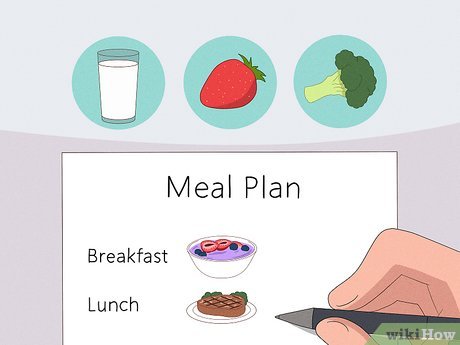
A healthy diet plan helps you stay focused, manage weight, and prevent lifestyle-related illnesses. But with so many options and distractions, it’s hard to stay on track. The key is to build simple, consistent habits that match your daily routine.
If you’re just starting, use easy resources like those on Sweat Sign, which often break down food planning into step-by-step strategies that work for real life.
This guide gives you a clear plan to maintain a healthy diet that supports your goals, without extreme restrictions or confusing rules.
Start with Your Why
Before adjusting your food, know your reason. Do you want more energy? Improve digestion? Lower cholesterol?
Your “why” keeps you committed. Write it down. Revisit it each week. It builds direction into your food choices and keeps you motivated when you slip up.
Focus on Whole Foods First
Build your meals around real, unprocessed foods. These include:
- Vegetables
- Fruits
- Whole grains
- Lean proteins
- Healthy fats
Avoid packaged snacks, sodas, and frozen meals with long ingredient lists. Whole foods provide more fiber, fewer empty calories, and help you feel full longer.
Balance Every Meal
Each meal should include three things:
- Protein (chicken, tofu, fish, lentils)
- Fiber (vegetables, fruit, whole grains)
- Healthy fats (olive oil, nuts, avocado)
Balanced meals stabilize blood sugar and reduce cravings. Avoid skipping meals or loading your plate with just carbs.
Control Your Portion Sizes
Use these simple tricks:
- Use smaller plates
- Fill half your plate with vegetables
- Measure snacks into bowls, not straight from the bag
- Drink a glass of water before meals
Portion control doesn’t mean restriction. It means awareness.
Plan Ahead for the Week
Planning removes decision fatigue. It helps you avoid fast food or skipping meals.
Here’s a basic system:
- Choose 3 breakfast options and rotate them
- Batch cook 2–3 lunch/dinner meals to reheat
- Prep snacks like boiled eggs, cut fruits, or trail mix
Start small. Don’t try to meal prep for seven days on your first try.
Read Nutrition Labels
Labels tell you what’s really inside. Watch for:
- Sugar: less than 5g per 100g is low
- Sodium: aim for under 1500mg per day
- Ingredients: shorter lists are better
Be careful with labels like “low-fat” or “natural.” Many are marketing tricks.
Watch Liquid Calories
Juices, energy drinks, lattes, and smoothies can be loaded with sugar.
Better choices:
- Water
- Herbal teas
- Black coffee
- Sparkling water with lemon
Hydration also helps control hunger and improves focus.
Don’t Skip Breakfast
Eating a solid breakfast helps control hunger later in the day.
Best options:
- Oatmeal with fruit
- Eggs with whole grain toast
- Greek yogurt with nuts
Avoid pastries, sugary cereal, or skipping the meal entirely.
Manage Snacking Wisely
Snacks aren’t bad. The problem is mindless eating.
Smart snack options:
- A handful of almonds
- Apple with peanut butter
- Hummus and carrots
- Boiled egg with a sprinkle of salt
Have snacks prepped and portioned so you don’t reach for chips or candy.
Learn to Cook Simple Meals
You don’t need fancy recipes. Stick to quick and nutritious meals like:
- Stir-fried veggies with rice and chicken
- Whole grain pasta with tomato sauce and beans
- Baked salmon with potatoes and greens
Cooking gives you full control over what goes into your food.
Keep Unhealthy Foods Out of Sight
You eat what’s visible. Replace snack drawers with fruit bowls. Keep water bottles on your desk. Hide candy at the back of the cupboard.
Environment shapes habits more than willpower does.
Track Progress Without Obsession
Track meals or grocery lists in a notebook or an app. But avoid becoming too rigid. Focus on progress, not perfection.
Track:
- How many veggies you eat daily
- How often you drink water
- Energy levels throughout the day
Apps or blogs like Guide Promotion share helpful templates and simple tools to help you track without pressure.
Don’t Fear Eating Out
You can stay on track even at restaurants. Look for:
- Grilled proteins instead of fried
- Salads with dressing on the side
- Water instead of soda
- Steamed sides instead of fries
Don’t feel guilty for occasional treats. The goal is consistency, not restriction.
Be Flexible with Treats
Strict diets often fail because they ignore real life. Allow one or two treats per week. Schedule them instead of avoiding them completely.
Examples:
- A slice of pizza on Friday
- Chocolate on a movie night
- A latte on your morning walk
When treats are planned, they don’t turn into binges.
Get Enough Sleep
Lack of sleep increases cravings for sugar and processed food. It also messes with hunger hormones.
Sleep 7 to 8 hours per night. Create a routine with:
- A regular bedtime
- No screens 30 minutes before bed
- A cool, quiet room
Better sleep leads to better food decisions.
Involve Your Household
Healthy eating becomes easier when others join in. Involve your family in:
- Grocery shopping
- Choosing recipes
- Cooking together
- Setting goals
If support isn’t possible, set boundaries for your own space.
Review Weekly and Adjust
Check in with yourself:
- Did I eat mostly whole foods?
- Did I drink enough water?
- Where did I overeat or skip meals?
Make one small improvement each week. These small steps build momentum.
Final Thoughts
A healthy diet plan is not a short-term challenge. It’s a lifelong habit. Keep your food choices simple. Plan your meals. Stay hydrated. Allow flexibility. Use trusted information sources to stay on track.
Healthy eating is a skill, not a talent. You get better with time.
