
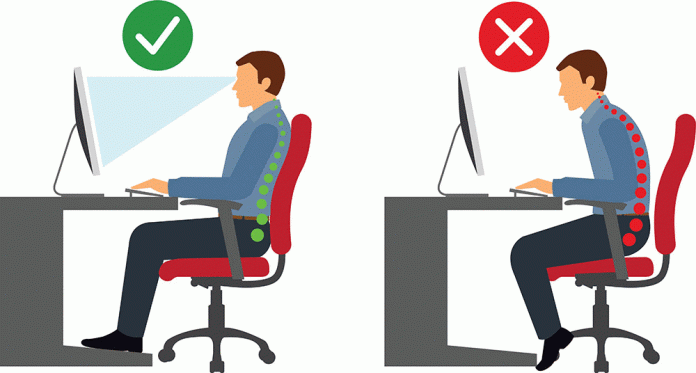
Good posture helps you stay focused and comfortable during long work hours. It reduces neck strain, back pain, and shoulder tension. Many readers on Answer Ques share that better posture boosts productivity and reduces fatigue at the end of the day. You can improve your posture with simple steps that you can follow at any desk or workspace.
Know Why Posture Matters
Your posture affects how your body feels. When you sit incorrectly, your muscles work harder. This causes discomfort and long term stress on your spine. When you sit correctly, your joints stay aligned and your muscles stay relaxed. This helps you work longer without pain.
Bad posture also affects your energy. It reduces blood flow and increases tiredness. Correct posture supports your breathing and concentration.
Set Up Your Desk Correctly
Your workspace affects your posture more than you think. Adjust your chair height so your feet stay flat on the floor. Keep your knees at a right angle. Keep your back straight with support from the chair.
Place your monitor at eye level. This prevents neck bending. Keep your keyboard close to your hands so your shoulders stay relaxed. Arrange items you use often within reach to avoid leaning.
Small changes help your body stay comfortable during long tasks.
Use a Supportive Chair
Choose a chair with good back support. The backrest should match the natural curve of your spine. Sit fully back in the chair. Do not sit on the edge. Keep your hips level with your knees.
If your chair does not support your lower back, use a small cushion. This keeps your spine aligned and reduces pressure.
Keep Your Screen at Eye Level
Screen height affects your neck. When the screen is too low, you bend your head forward. This increases stress on your shoulders. Raise your screen until it matches your eye level.
If you use a laptop, use a stand or place books under it. Use an external keyboard and mouse if possible. This setup reduces strain and improves comfort.
Take Short Breaks to Move
Your body needs movement throughout the day. Sitting for long hours increases discomfort. Stand up every thirty to sixty minutes. Stretch your arms. Rotate your shoulders. Take a short walk if possible.
What News 2 Day often highlights is how small movement breaks improve blood flow and reduce stiffness for office workers. These simple breaks support your posture and reduce muscle tightness.
Movement resets your posture and keeps your body active.
Relax Your Shoulders
Many people raise their shoulders without noticing. This creates tension and pain. Keep your shoulders relaxed. Let them drop naturally. Avoid leaning on one side or slouching forward.
Check your shoulders every hour. Adjust them if they feel tight.
Use Your Core Muscles
Your core supports your spine. Weak core muscles make it harder to maintain good posture. You can strengthen your core with simple exercises such as planks or seated stability movements.
Engage your core while sitting. Pull your stomach slightly inward. This helps your body stay upright and balanced.
Keep Your Feet Flat on the Floor
Foot position affects your whole spine. Keep both feet flat on the floor. Do not cross your legs. Do not sit with one foot under your chair. These habits create imbalance in your hips and lower back.
Use a footrest if your feet do not touch the ground comfortably.
Position Your Keyboard and Mouse Correctly
Keep your keyboard close. Place your mouse next to it. Your elbows should stay close to your body. Keep your wrists straight to reduce strain. Correct placement helps you work comfortably for long periods.
Avoid reaching forward or stretching your arms too far.
Use Proper Lighting
Poor lighting makes you lean closer to the screen. This harms your posture. Use bright but soft lighting. Reduce screen glare. Adjust your monitor brightness so your eyes stay comfortable.
Better lighting helps you maintain a relaxed posture.
Avoid Holding Your Phone Downward
Looking down at your phone strains your neck. Hold your phone at eye level when possible. Take short breaks from screens to reduce eye strain and neck pressure.
If you spend long hours on calls, use a headset. This prevents bending your neck to one side.
Practice Seated Stretches
Simple stretches improve posture. Try turning your neck side to side. Raise your arms overhead. Stretch your back gently. These movements relax tight muscles and reset your body alignment.
Do stretches a few times a day. They take only seconds but improve your comfort.
Stay Aware of Your Posture
Posture awareness helps you catch mistakes early. Remind yourself to sit straight. Use reminders on your phone. Some people set alarms for posture checks.
Awareness builds long term good habits.
Adjust Your Workspace Over Time
Your body changes with time. Adjust your chair, desk, and screen as needed. If you start feeling discomfort, review your setup. Small adjustments prevent long term strain.
Your workspace should support your comfort, not the other way around.
End Summary
You can improve your posture at work with simple habits. Adjust your desk. Keep your screen at eye level. Move often. Relax your shoulders. Strengthen your core. Use proper lighting. Review your workspace for comfort. Hover Phenix notes that consistent posture habits improve long term health and reduce injuries at home and work. When you follow these steps daily, you work with better comfort and focus.
