

- 0
- 695 words
Selling a property for the first time is both exciting and daunting. While buying a home is often portrayed as the big milestone, selling comes with its own challenges—paperwork, legal obligations, and the emotional step of parting with a property you’ve called home. Being equipped with the right knowledge makes the process more manageable and far less stressful.
Understanding the Selling Process
The selling journey typically unfolds in stages: valuation, instructing an estate agent, marketing the property, conducting viewings, receiving offers, negotiating, and finally moving through conveyancing to completion. At each stage, you’ll be working closely with professionals—your estate agent to attract buyers, and your solicitor to manage the legal transfer of ownership.
Knowing Your Property’s Value
The foundation of a successful sale lies in pricing your property correctly. A valuation gives you a benchmark, but it’s important to remember that markets fluctuate. Seasonal demand, local competition, and wider economic conditions all influence how much buyers are prepared to pay. Overpricing can leave a property languishing on the market, while underpricing risks losing potential profit.
Choosing the Right Estate Agent
Your estate agent will be your guide throughout the sale, so choosing wisely is crucial. Look for transparency, local market expertise, and a track record of securing sales quickly and at the right price. A locally rooted firm such as CJ Hole Cirencester Estate Agents understands buyer behaviour in the area and knows how to position your property competitively.
Preparing Your Property for Sale
First impressions are everything. Decluttering, deep cleaning, and carrying out minor repairs can elevate the appeal of your home. Staging—arranging furniture and décor strategically—helps buyers imagine living in the space. A fresh coat of paint, tidy gardens, and neutral interiors can make a world of difference in attracting interest.
Legal Requirements Every Seller Should Know
Before marketing, sellers must provide an Energy Performance Certificate (EPC) showing the property’s energy efficiency. You’ll also need to prepare documents such as title deeds, planning permissions for alterations, and warranties for any appliances or recent works. Having these organised early speeds up the conveyancing stage.
Marketing Your Property Effectively
In today’s digital-first world, marketing is critical. Professional photography and 360-degree virtual tours grab attention online. Detailed, accurate listings on major property portals widen exposure, while social media campaigns can further boost reach. Good marketing ensures your property doesn’t just attract views but serious, qualified buyers.
Handling Viewings and Negotiations
When buyers come to view, create a welcoming atmosphere. Bright spaces, fresh air, and a tidy home leave a lasting impression. Negotiations can be tricky, especially when buyers push for a lower price. Stay realistic but firm. Your estate agent should act as the buffer, ensuring you achieve a deal that reflects the true worth of your home.
Understanding Offers and Contracts
Not all offers are equal. A cash buyer or chain-free buyer may be preferable to one offering slightly more but dependent on selling their own property first. Contracts will outline terms such as deposit amounts, completion dates, and conditions of sale. Reading these carefully and consulting your solicitor ensures you’re not caught off guard.
Navigating the Conveyancing Stage
This stage often feels the most complex. Your solicitor will handle searches, contracts, and the exchange of funds. Delays are common, often caused by missing paperwork or issues found in surveys. Staying proactive and responding quickly to requests from your solicitor helps keep the process moving.
Completion Day and Final Steps
On completion day, ownership legally transfers, and the buyer receives the keys. Funds are released, and you can officially move on. To ensure a smooth handover, leave the property clean and provide manuals or instructions for any appliances you’re leaving behind. A courteous handover makes the experience positive for both sides.
Conclusion
Selling a property for the first time can seem overwhelming, but with careful planning, the right support, and a clear understanding of each stage, it becomes a structured and manageable process. By working with trusted local experts and preparing your home effectively, you can achieve a successful sale and confidently take the next step in your property journey.
Author

Related Posts

How seasonality shapes luxury property auctions in Florida and New York
- 0
- 1,135 word
Timing matters in every real estate market. At the upper tier, where the buyer pool is thin and the difference between strong...
Read out all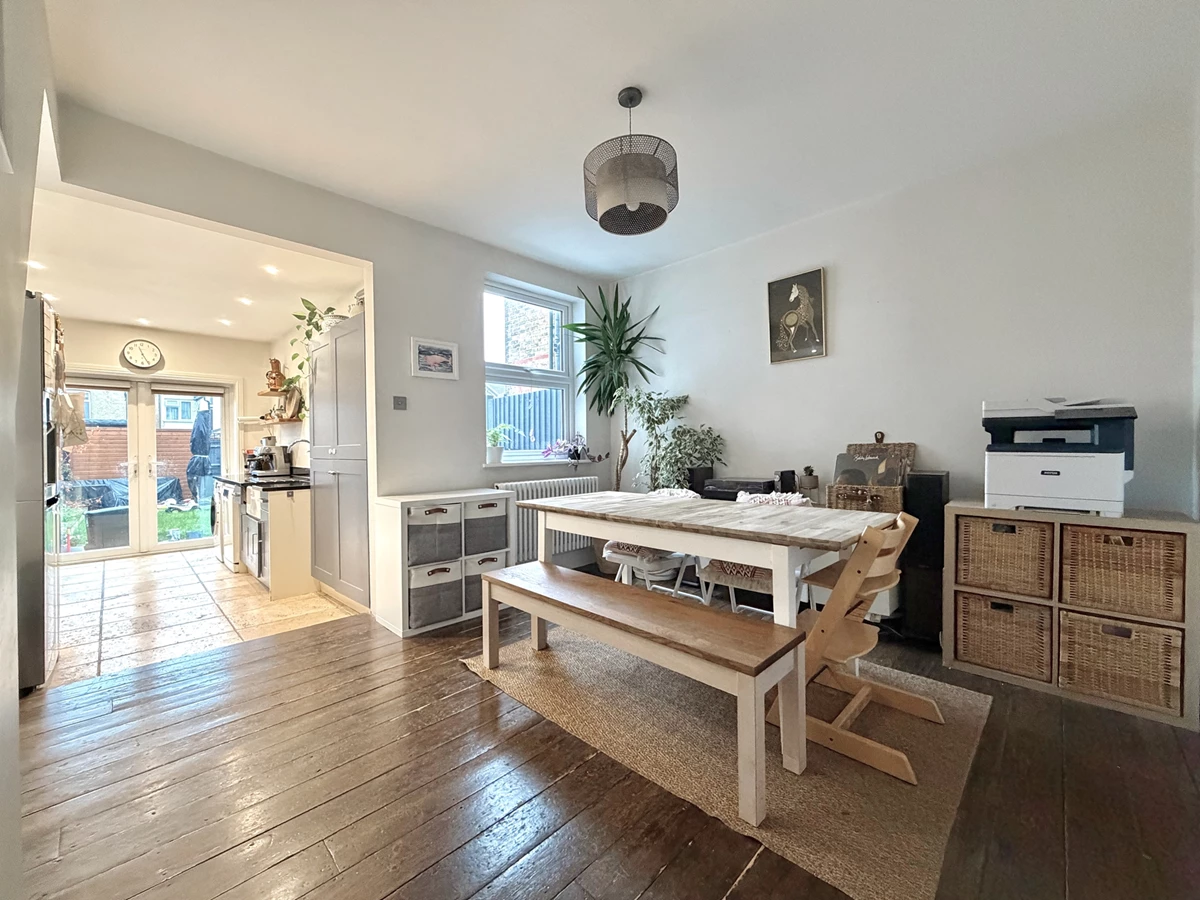
Property Survey Services in Watford
- 0
- 1,293 word
Understanding the Value of a Property Survey Buying a home is a major financial decision, and it should never rely on appearance...
Read out all
Beyond the Skyline: How to Identify High-Conviction Property Investments in Dubai
- 0
- 897 words
Dubai’s real estate market is often defined by its skyline—iconic towers, waterfront villas, and ambitious developments. But seasoned investors know that successful...
Read out all
Landlord Compliance Checklist 2026: What Property Owners Must Know
- 0
- 1,280 word
The private rental sector continues to evolve at pace. New legislation, tighter enforcement and higher tenant expectations mean landlords must stay informed....
Read out all
Help to Buy Valuation Report Guide
- 0
- 961 words
For homeowners who purchased through a government backed equity loan scheme, a professional valuation becomes essential when selling or repaying part of...
Read out all
The Blue Urbanism Revolution: How UAE Expertise is Redefining Mediterranean and Gulf Coastlines
- 0
- 802 words
The global real estate market has witnessed a paradigm shift in the last decade. No longer is luxury defined solely by the...
Read out all