
- 0
- 1,052 word
Leatherwork is a timeless craft that has captivated artisans for centuries. Whether you’re a complete beginner looking to create your first wallet or an experienced craftsperson aiming to refine your technique, having the right tools is absolutely essential. The quality of your tools can make the difference between a frustrating experience and a rewarding journey into this traditional British craft.
Essential Hand Tools for Every Leatherworker
Cutting Tools
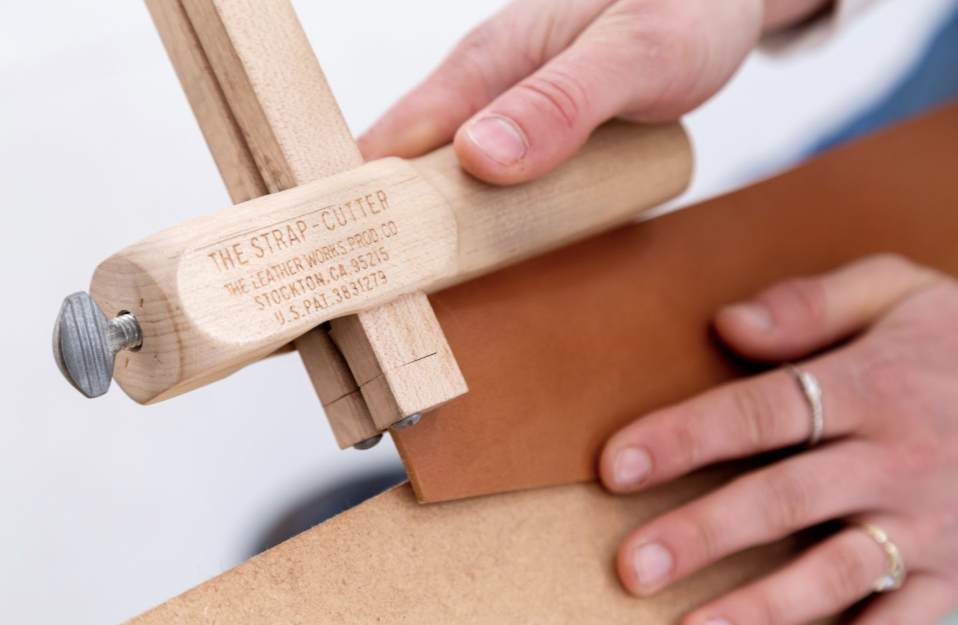
The foundation of any leatherwork project begins with precise cutting. A craft knife with replaceable blades is indispensable for straight cuts and detailed work. For curved cuts and intricate patterns, leather shears provide better control than standard scissors. Round knives, whilst requiring more skill to master, offer unparalleled precision for experienced crafters.
For those serious about their craft, investing in a head knife or half-moon knife will transform your cutting experience. These traditional tools, when properly maintained, can last a lifetime and provide cuts that are impossible to achieve with modern alternatives.
Punching and Piercing Tools
Creating holes for stitching is where leatherwork truly comes alive. Awls are the most fundamental piercing tool—a diamond awl creates the perfect hole shape for hand-stitching, whilst a round awl is better for general piercing work.
Leather punches come in various forms: drive punches for single holes, rotary punches for multiple sizes, and hollow punches for clean, round holes. Each serves a specific purpose, and building a collection gradually will serve you well as your projects become more ambitious.
Stitching Equipment
Hand-stitching gives leather goods their distinctive, durable finish. Saddle needles with blunt points work perfectly with pre-punched holes, whilst harness needles offer more versatility. Combine these with quality waxed thread—linen thread is traditional and strong, though modern synthetic options offer consistency and colour variety.
Stitching irons or pricking irons create evenly spaced holes for professional-looking stitches. French-style irons with angled teeth produce a distinctive slanted stitch that’s both functional and aesthetically pleasing.
Marking and Measuring Tools
Precision in leatherwork begins with accurate marking. A steel ruler and dividers are essential for consistent measurements. Edge creasing tools help create professional-looking borders and fold lines, whilst leather scribes mark without damaging the surface.
Pattern-making becomes much easier with French curves and flexible rulers that can follow complex shapes. For repetitive work, creating templates from sturdy card or thin wood saves considerable time.
Finishing Tools
The final appearance of your leather goods depends heavily on proper finishing. Edge burnishers—whether wood, bone, or modern synthetic materials—create smooth, polished edges when combined with appropriate edge paint or natural burnishing.
Leather conditioners and dyes require specific application tools. Daubers and sponges help achieve even coverage, whilst airbrushes offer professional results for larger pieces.
Specialist Tools for Advanced Techniques
As your skills develop, specialist tools open up new possibilities. Leather splitters allow you to thin leather to precise thicknesses, essential for creating refined edges and layered constructions. Skiving knives perform similar functions with greater control over small areas.
Stamps and embossing tools add decorative elements, from simple border patterns to complex pictorial designs. Bevellers create raised effects around carved areas, adding depth and dimension to your work.
Setting Up Your Workshop
Your workspace significantly impacts both the quality of your work and your enjoyment of the craft. A solid workbench at the correct height prevents fatigue and improves accuracy. Cutting mats protect both your tools and work surface, whilst clamps and stitching ponies hold work securely during detailed operations.
Proper lighting cannot be overstated—good illumination prevents eye strain and helps you see fine details clearly. Many leatherworkers find that combining overhead lighting with adjustable task lighting provides the best working conditions.
Quality Considerations
Investing in quality tools pays dividends in both results and longevity. Well-made tools maintain their sharpness longer, feel better in your hands, and often improve with age. Japanese and traditional British tool makers have particularly strong reputations for quality, though excellent tools come from many sources.
For those starting their leatherworking journey, British Leather Supplies offers an excellent range of tools suitable for beginners through to professionals. Their curated selection takes the guesswork out of choosing quality equipment, and their expertise can guide you towards the right tools for your specific interests.
Maintenance and Care
Proper tool maintenance extends their life considerably. Keep cutting tools sharp—dull blades require more force and are more likely to slip. Honing stones and strops maintain keen edges between professional sharpenings.
Metal tools benefit from light oiling to prevent rust, particularly in damp conditions. Wooden handles can be maintained with occasional applications of linseed oil, keeping them smooth and preventing cracking.
Building Your Tool Collection
Rather than purchasing everything at once, build your collection gradually based on your projects. Start with essential cutting, punching, and stitching tools, then add specialist items as your interests develop. This approach allows you to learn each tool thoroughly whilst spreading the investment over time.
Consider purchasing a few high-quality tools rather than many mediocre ones. A well-made knife that lasts decades represents better value than several cheap alternatives that need frequent replacement.
Modern Innovations
Whilst leatherwork remains a traditional craft, modern materials and manufacturing techniques have improved many tools. Synthetic handle materials offer better grip in various conditions, whilst modern steel alloys hold edges longer than historical alternatives.
However, the fundamental techniques remain unchanged, and many traditional tools work as well today as they did centuries ago. The key is finding the balance between time-tested designs and helpful modern improvements.
Conclusion
The right tools transform leatherwork from a struggle into a pleasure. Whether you’re creating simple repairs or elaborate bespoke pieces, quality tools enable you to work with confidence and achieve professional results.
Take time to research your purchases, handle tools before buying when possible, and don’t hesitate to seek advice from experienced crafters or knowledgeable suppliers like British Leather Supplies. With the proper tools and dedication to learning, leatherwork offers a lifetime of creative satisfaction and the pride that comes from creating beautiful, durable goods with your own hands.
Remember, the best tool is the one you understand and use properly. Start with the basics, master them thoroughly, and gradually expand your collection as your skills and interests develop. The journey into leatherwork is as rewarding as the destination, and having the right tools makes every step more enjoyable.
Author

Related Posts

Trading Platform Lockouts: Understanding Regulatory Warnings and the Steps to Track Digital Funds
- 0
- 702 words
Navigating the online trading world can feel incredibly overwhelming, especially when trying to figure out which financial platforms are safe and which...
Read out all
The New Oil: Why Memory, Storage, and Chipmaking Could Dominate the Next 3–5 Years (by Martin Heinz of QuantaNorth)
- 0
- 1,083 word
[London, UK – May 11, 2026] Martin Heinz, Corporate Division Manager – Derivatives Trading Specialist at QuantaNorth.com explains that for the past...
Read out all
Best IPTV Nordic 2026: IPTV Subscription Nordic Guide for Sweden, Norway, Denmark, Finland & Iceland
- 0
- 855 words
The way people watch TV across the Nordic region is changing rapidly. In 2026, more viewers in Sweden, Norway, Denmark, Finland, and...
Read out all
How Air Conditioning in Cardiff Homes and Throughout South Wales Improves Health and Sleep
- 0
- 879 words
When it comes to maintaining comfort and wellbeing in a home, air conditioning contributes far more than many people think. A quality...
Read out all
Shahzaib Shah and the Quiet Work Behind Modern Cybersecurity
- 0
- 554 words
Cybersecurity rarely announces itself when it succeeds. Systems remain online, data stays protected, and businesses continue operating without interruption. Behind that quiet...
Read out all
How Cellar Cooling Systems Helps Businesses Stay Compliant in the UK
- 0
- 964 words
For most UK companies, the ability to maintain the right temperature in a cellar is not only a matter of convenience but...
Read out all