
- 0
- 1,599 word
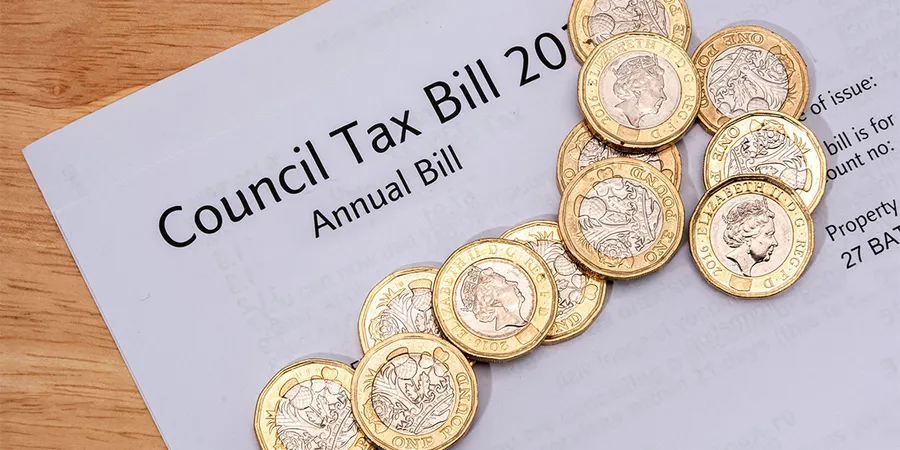
Loft conversions have become one of the most popular ways for homeowners in London to create extra living space without the hassle and expense of moving house. From Victorian terraces in Islington to 1930s semis in Ealing, Londoners are increasingly turning dusty attics into new bedrooms, home offices or even self-contained flats. But as the scaffolding goes up and the roof takes shape, many homeowners find themselves asking whether their new loft will affect their council tax bill.
In a city where council tax is already among the highest in the country, it’s understandable to wonder whether adding extra space will bump you into a new tax band. The answer isn’t always straightforward. Whether your council tax changes depends on how you use the space, how your local council views it, and whether the Valuation Office Agency (VOA) decides your home’s value has changed enough to justify a reassessment.
How Council Tax Bands Are Decided in London
Every property in England and Wales is assigned a council tax band by the VOA. These bands are based on what your property might have sold for on 1 April 1991, regardless of its current market value. The idea is that the original value reflects the size, location and condition of the home at that time.
Since then, millions of homes have changed dramatically through extensions, loft conversions and remodels. But the council tax band doesn’t automatically change the moment you add a dormer window or an extra bathroom. For most homeowners, their band stays the same until a reassessment is triggered by a specific event.
What Happens When You Convert Your Loft?
A typical loft conversion adds floor space and often increases the number of bedrooms in a property. While this might boost your home’s market value, it doesn’t automatically mean your council tax band will change straight away. In practice, the VOA usually reassesses your council tax band when the property is sold or when a new dwelling is created within the same building.
If you use your new loft as an extra bedroom, home office or playroom as part of the existing house, you’re unlikely to see an immediate change to your council tax. However, once you sell the house, the VOA might review the new size and features to check whether the home’s ‘1991 value’ would have placed it in a higher band back then. If they believe it would have, they can move it up a band for the new owner.
What If You Create a Self-Contained Flat?
Things are different if your loft conversion creates a completely separate dwelling. This could be the case if you install a kitchenette, bathroom and separate entrance, turning the loft into a self-contained unit that could be rented out. In this situation, the VOA may decide that you now have two dwellings on your property — each with its own council tax band and bill.
For many London homeowners, especially those who convert lofts into small studio flats for lodgers or tenants, this is worth considering. Creating a separate flat can bring in rental income, but you may be responsible for paying council tax on the new unit if your tenant does not. Some landlords pass this cost on through the tenancy agreement, but it’s something you’ll need to factor into your budgeting.
Do Local Councils Monitor Loft Conversions?
In London, local planning departments keep track of loft conversions because many require planning permission or at least must comply with permitted development rules and building regulations. When you submit plans for your conversion, your local council may notify the VOA if the work is significant enough to affect your council tax band.
However, not every loft conversion automatically triggers a reassessment. It depends on whether the work significantly changes the value, layout or use of the home. A straightforward dormer conversion that creates a single bedroom is unlikely to draw much attention from the VOA until you sell the property.
The Impact When You Sell Your Home
For many homeowners, the biggest change comes when they sell. If your loft conversion has made your house substantially larger or more appealing to buyers, it could push the notional 1991 value into a higher band. This means that the new owner could face a higher council tax bill, even though you did not during your time living there.
Some estate agents in London do point out this possibility to buyers, but it often comes as a surprise. Buyers should be aware that a seemingly affordable council tax bill could rise if the VOA carries out a reassessment after the purchase completes. It’s always wise to check the property’s planning history, loft conversion details and any known changes to the building when considering a purchase.
How Big Does a Loft Have to Be to Affect Council Tax?
There is no simple rule for how large a loft conversion needs to be before it affects your council tax band. The VOA looks at the overall change in value to the whole property, not just the extra floor area. In London, where house prices are already high, adding an extra bedroom can add significant value, especially in areas where space is at a premium.
Features that might tip the scales include a loft that adds multiple rooms, a luxury en suite, or significant structural changes that transform the look and feel of the home. If you live in a modest terraced house and add a large, well-designed master suite with views over the city, the VOA may decide that this extra desirability justifies a higher band.
Does This Mean a Loft Conversion Isn’t Worth It?
For most homeowners in London, the benefits of a loft conversion far outweigh the risk of a council tax increase. An extra bedroom or office can make daily life more comfortable, avoid the stress and cost of moving, and add substantial value when it’s time to sell. Even if the band does go up for a future buyer, the overall increase in property value often more than covers this.
It’s still a good idea to budget sensibly and consider all costs, from planning permission and building regulations to any potential impact on your bills. Speaking with a local planning consultant, builder or estate agent can help you weigh up the pros and cons in your specific borough.
How to Check Your Council Tax Band
If you’re curious about your current council tax band, it’s easy to check it online using the government’s search tool. If you believe your band is incorrect, you can challenge it, but be aware that any reassessment could result in an increase rather than a decrease if the VOA finds that your property’s notional value was underestimated.
Before you commit to a big loft project, you could also ask the VOA for advice about whether your plans might trigger a reassessment. They won’t give you a definite answer but may offer guidance on what typically prompts a review.
Things to Consider if You’re Renting Out Your Loft
London homeowners who plan to rent out a converted loft as a separate flat need to be particularly careful about council tax implications. If the unit is fully self-contained, you may have to register it as a new dwelling, which will have its own council tax band and bill. Some landlords prefer to keep the loft as a lodger’s room within the main house, which avoids this issue and means the whole property stays under one band.
If you do create a separate flat, you’ll need to comply with additional rules, including fire safety, soundproofing and planning requirements. Many councils in London also require landlords to be licensed if they rent out flats or HMOs (Houses in Multiple Occupation). Getting these details right helps you avoid fines and ensures your loft conversion works for you financially.
How London Boroughs Differ
Council tax rates vary across London boroughs, so the impact of a band change depends partly on where you live. A shift from Band D to Band E could cost hundreds more per year in some boroughs. In high-demand areas like Kensington and Chelsea, Camden or Westminster, the added value from a loft conversion usually outweighs any increase, but in other boroughs with more modest property values, it’s worth doing the maths.
Talking to local estate agents or other homeowners who have done similar conversions can give you a realistic idea of whether your council is likely to notice and what you might expect in terms of future banding changes.
Final Thoughts for London Homeowners
Loft conversions remain one of the smartest ways to unlock hidden value in a London property. They create precious extra space in a city where every square foot counts and can make life more comfortable for growing families, home workers or even small landlords.
While it’s true that a conversion can lead to a council tax reassessment, it doesn’t always happen straight away, and it’s unlikely for standard projects that simply add a new bedroom or office. Bigger changes, especially those creating separate flats, will almost certainly have an impact, but with careful planning and good advice, the extra income or added value can make it worthwhile.
If you’re planning a loft conversion in London, think about your goals, check your council’s policies, and get professional advice if needed. With the right approach, you can enjoy the benefits of extra space without any surprises when your council tax bill arrives.
Author

Related Posts

Do Cashback Tools Work on VPN and Hosting Purchases?
- 0
- 1,385 word
Buying a VPN or web hosting plan often involves comparing prices, features, and long-term value. Yes, cashback tools can work on many...
Read out all
Inside Knightsbridge Savings: The Story of the UAE’s Knightsbridge Savings
- 0
- 636 words
Knightsbridge Savings makes investment and saving easy with multiple focused accounts tailored to the client’s goals. The company created a platform that...
Read out all
How Private Credit Singapore Is Shaping Asia’s Alternative Lending Landscape
- 0
- 582 words
Over the past several years, Singapore has strengthened its position as a regional hub for alternative investments. Among the segments gaining momentum...
Read out all
How to Build a Personal Finance Routine
- 0
- 914 words
You gain control over your money when you follow a clear personal finance routine. Many people struggle because they do not track...
Read out all
How to Keep Your Finances on Track
- 0
- 852 words
Managing your finances is about control and consistency. It helps you make smarter decisions, avoid debt, and build stability. A good plan...
Read out all
Simplifying VAT: A Practical Guide for Businesses
- 0
- 1,245 word
You might have run into Business taxes and maybe placed them aside for either a sense of uncertainty or overwhelm. Amongst these,...
Read out all