
- 0
- 1,117 word
Porsche ownership is built around performance, control, and driving enjoyment. Whether it is a 911, Boxster, Cayman, Macan, Cayenne, Panamera, or Taycan, every model needs regular care to remain reliable and rewarding to drive. A Porsche is not just a vehicle that moves from one place to another. It is a highly developed machine where engine performance, braking response, suspension balance, steering feel, tyres, electronics, and service history all influence the ownership experience.
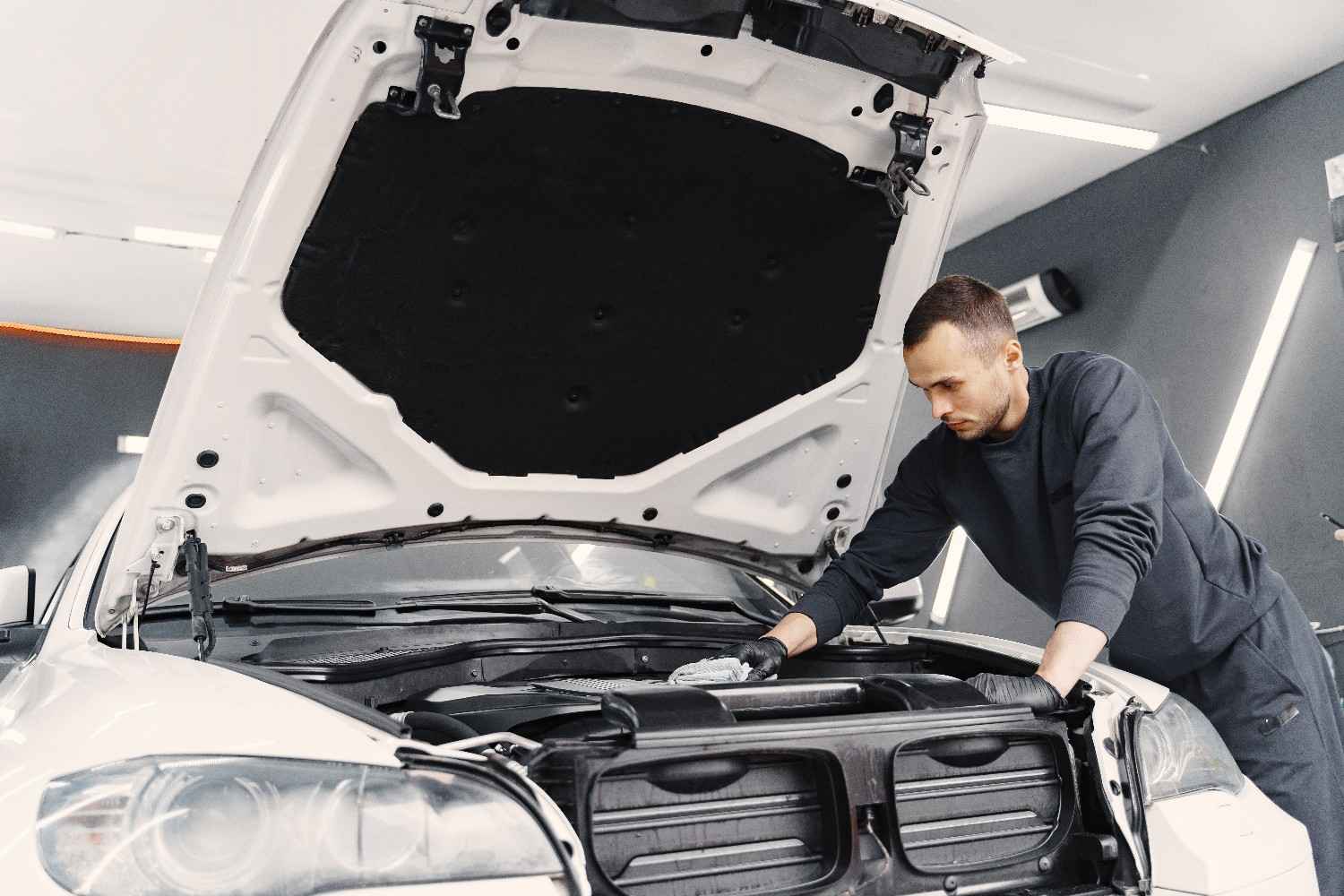
For drivers searching for Porsche Car Service Hertfordshire, the priority is usually more than a basic oil and filter change. Porsche vehicles require knowledgeable inspection, correct service procedures, suitable parts, and an understanding of model specific systems. A well planned service can identify early signs of wear, maintain performance, and help prevent avoidable repair costs.
Routine servicing is one of the most important parts of Porsche maintenance. Engine oil, filters, spark plugs, brake fluid, coolant, drive belts, and cabin filters all have a role in keeping the vehicle operating properly. Over time, fluids degrade, filters become restricted, seals age, and components experience natural wear. Ignoring these changes can lead to reduced performance, warning lights, rough running, or expensive mechanical issues.
Porsche engines vary significantly across the range. A flat six engine in a 911 or Cayman has different requirements from a V6 or V8 engine in a Cayenne or Panamera. Turbocharged models add further complexity because boost pressure, oil flow, cooling, and intake systems must all be carefully monitored. Servicing should consider the exact model, mileage, driving style, and previous maintenance history rather than treating every Porsche in the same way.
Oil quality is especially important. Porsche engines often operate at high temperatures and under strong performance demands. Using the correct oil grade helps protect internal parts, supports smooth running, and reduces wear. Delayed oil changes can increase contamination, reduce lubrication quality, and place extra stress on timing components, turbochargers, and bearings.
Brake servicing is another key area. Porsche vehicles are designed to stop confidently, especially performance models driven at speed. Brake pads, discs, sensors, fluid, and calipers all need regular inspection. Brake fluid absorbs moisture over time, which can reduce braking performance and affect pedal feel. Worn discs or pads may also create vibration, squealing, or reduced stopping confidence.
Suspension condition directly affects handling. Porsche vehicles are known for sharp steering response and balanced road feel. Worn control arms, bushes, dampers, mounts, or links can reduce stability and comfort. Larger models such as the Cayenne and Macan may also place more load on suspension components because of their weight. Regular checks help maintain the driving character expected from the brand.
Tyres are equally important. Porsche models often use performance tyres designed for grip, stability, and steering feedback. Uneven tyre wear may suggest alignment problems, suspension wear, incorrect pressures, or aggressive driving patterns. Correct tyre selection and pressure management support braking, handling, efficiency, and safety.
Diagnostics also play a major role in modern Porsche servicing. Current models rely on electronic control units to manage engine operation, transmission behaviour, driver assistance systems, climate control, chassis settings, and safety features. A dashboard warning light may be linked to a small sensor fault, but it could also indicate a deeper issue. Diagnostic scanning allows fault codes and live data to be assessed properly before repair decisions are made.
Transmission servicing should not be overlooked. Porsche PDK gearboxes are advanced dual clutch systems that deliver fast, smooth gear changes when maintained correctly. Fluid condition, control units, clutch behaviour, and adaptation values may all influence performance. Tiptronic gearboxes and manual transmissions also require suitable inspection and maintenance at the correct intervals.
Cooling systems are another important service area. Porsche engines depend on controlled temperature management, particularly high performance and turbocharged models. Coolant leaks, radiator faults, water pump wear, thermostat problems, or blocked cooling paths can quickly affect engine reliability. Early inspection can prevent overheating and related engine damage.
Electric and hybrid Porsche models introduce additional service needs. Vehicles such as the Taycan or hybrid Panamera and Cayenne include high voltage batteries, charging systems, regenerative braking, thermal management, and software controlled energy systems. These models require careful handling and appropriate technical knowledge. Although electric vehicles have fewer traditional engine service items, they still need brake checks, tyre inspections, suspension assessments, battery health checks, and software reviews.
Service history is also highly important for Porsche vehicles. A complete and consistent maintenance record can support resale value and buyer confidence. Many buyers look closely at service intervals, repair records, parts used, and evidence of preventative care. A Porsche with clear maintenance documentation is often more attractive than one with missing history.
Preventative servicing helps avoid unexpected faults. Small concerns such as a minor oil leak, worn suspension bush, weak battery, or ageing coolant hose may seem unimportant at first. If ignored, these issues can develop into larger repairs. Regular service inspections allow early action before damage spreads to related components.
Driving style also influences service needs. A Porsche used mainly for short urban journeys may experience different wear from one used on motorways or weekend drives. Short trips can increase condensation, battery strain, brake corrosion, and oil contamination. Spirited driving places more demand on brakes, tyres, cooling systems, and suspension. Service planning should reflect real use rather than mileage alone.
Battery condition is another frequent concern, especially for Porsche vehicles that are not driven daily. Low battery voltage can cause starting problems, warning lights, or electronic faults. Regular testing helps identify weak batteries before they cause inconvenience.
For owners considering Porsche Car Service Hertfordshire, the aim should be complete vehicle care rather than isolated maintenance. A strong service approach looks at the engine, brakes, suspension, tyres, gearbox, cooling system, electronics, and future repair risks together. This gives a clearer picture of vehicle condition and helps owners plan maintenance sensibly.
A properly serviced Porsche should feel smooth, responsive, stable, and confident. Gear changes should be clean, braking should feel controlled, steering should remain accurate, and the engine should perform without hesitation. When servicing is delayed, these qualities can gradually decline.
Regular servicing protects more than mechanical reliability. It preserves the character of the vehicle. Porsche engineering is designed to deliver a specific driving feel, and maintenance plays a direct role in keeping that experience alive. From routine oil services to advanced diagnostics and preventative inspections, consistent care helps ensure the vehicle continues to perform as intended.
In conclusion, Porsche servicing requires a thoughtful and knowledgeable approach. Each model has its own technical requirements, and every owner’s usage pattern is different. Regular maintenance helps protect performance, safety, comfort, resale value, and long term reliability. For a vehicle built around driving enjoyment, proper servicing is not optional. It is a central part of responsible Porsche ownership.
Author

Related Posts

Jaguar Diagnostics Hatfield
- 0
- 1,340 word
Jaguar vehicles combine distinctive styling, refined performance, advanced electronics, and sophisticated engineering. Modern models rely on interconnected control systems to manage everything...
Read out all
Mercedes Benz Specialist Hertford: A Guide to Maintaining Your Mercedes
- 0
- 1,397 word
Mercedes Benz vehicles combine comfort, technology, performance and sophisticated engineering. From compact models designed for everyday commuting to executive saloons, SUVs and...
Read out all
How a Washington DC Event Photographer Helps You Remember Every Detail
- 0
- 1,130 word
Every event is filled with meaningful moments, emotions, and experiences that deserve to be remembered. Whether it is a corporate gathering, wedding...
Read out all
Mobile Tyre Fitting Rushden
- 0
- 456 words
A flat tyre can happen at the most inconvenient time, whether you are driving to work, collecting the children from school, or...
Read out all
New Tyres Theydon Bois
- 0
- 463 words
Your tyres are one of the most important safety features on your vehicle. Whether you’re driving through Theydon Bois, commuting into London,...
Read out all
MOT Centre Near Apsley
- 0
- 507 words
Keeping your vehicle safe and roadworthy is an important responsibility for every driver. An MOT test helps ensure that essential vehicle components...
Read out all