
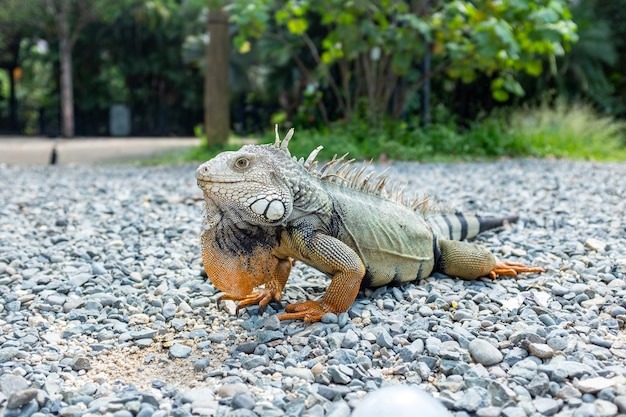
Iguanas can be a stunning part of the flora and fauna in tropical communities, yet their increasing populations pose significant challenges to local ecosystems. As invasive species, iguanas can disrupt native plants and wildlife, necessitating effective iguana removal strategies to mitigate their impact. Understanding the effects of iguanas on ecosystems is crucial for conservation efforts and for maintaining ecological balance.
1. Damage to Vegetation
One of the primary environmental concerns regarding iguanas is their feeding habits. Iguanas are herbivorous and often prefer ornamental plants and native vegetation, leading to considerable damage. They can strip trees and shrubs of their leaves, hindering plant growth and even leading to the death of certain species.
The loss of vegetation can destabilize ecosystems, as plants play a vital role in providing habitats for various wildlife. Implementing iguana removal helps prevent this damaging behavior and allows native greenery to recover and thrive.
2. Threats to Native Species
Iguanas are not just harmful to plants; they also pose threats to native animal species. Their feeding habits can lead to a decrease in food sources for herbivorous natives, thereby impacting the food chain. Birds and other species that rely on specific plants for food and nesting may suffer as iguanas compete for these resources.
Furthermore, iguanas can inadvertently harm smaller animals by preying on their young or competing for shelter and nesting sites. Regular iguana removal can help protect these vulnerable native species by ensuring that their food sources and habitats remain intact.
3. Soil Erosion and Structural Damage
The burrowing habits of iguanas can lead to significant structural damage within ecosystems. Iguanas create burrows that can destabilize soil, leading to erosion along banks and coastal areas. This erosion can have far-reaching consequences, undermining landscapes and affecting water quality in nearby bodies of water.
Proper iguana removal is vital to mitigate the damage caused by their burrowing behaviors, preserving the integrity of both land and water ecosystems. By controlling iguana populations, property owners can help prevent soil erosion and promote better environmental health.
4. Economic Impacts on Agriculture
In agricultural regions, the presence of iguanas can have economic repercussions. Farmers may face crop losses due to iguanas foraging on fruits, vegetables, and ornamental plants. This feeding behavior not only affects yield but can also result in additional costs for protective measures.
Effective iguana removal strategies can alleviate these economic pressures by managing and reducing iguana populations, allowing farmers to protect their livelihoods and maintain healthy agricultural practices.
5. The Balance of Local Biodiversity
The unchecked growth of iguana populations can threaten the balance of local biodiversity. When iguanas become dominant in an area, they can outcompete native species for resources, disrupting the natural equilibrium.
This disruption can lead to a decline in biodiversity, affecting the overall health of the ecosystem. Implementing regular iguana removal strategies aids in maintaining this balance, allowing native species to flourish and ensuring a diverse, healthy environment.
Conclusion
In conclusion, iguanas have a considerable impact on local ecosystems through their feeding habits, burrowing activity, and competitive behavior. The need for effective iguana removal methods cannot be overstated, as they play a crucial role in mitigating the negative consequences of these invasive reptiles.
By understanding the ecological implications of iguana populations, communities can take proactive measures to protect and preserve their local environments, fostering a healthier and more balanced ecosystem. Taking action against iguanas today can pave the way for a more sustainable future tomorrow.
