
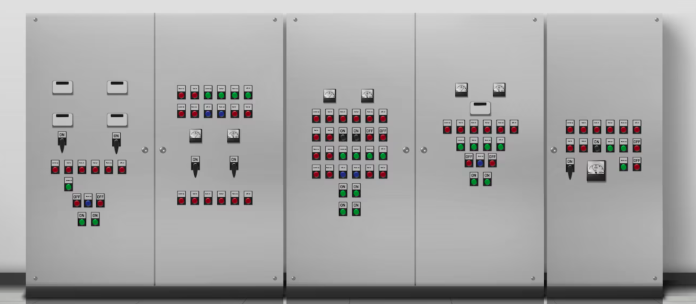
In the complex landscape of industrial electrical engineering, the presence of hazardous environments requires a specialized approach to equipment design and construction. Industries that handle flammable gases, vapors, or combustible dust cannot rely on standard control panels.
Instead, they require the technical precision of a UL 698A certified panel fabricator to ensure that their operations remain safe and compliant. This standard specifically addresses the use of intrinsically safe barriers to prevent electrical energy from igniting a volatile atmosphere.
By prioritizing these advanced safety protocols, businesses can protect their physical assets and, more importantly, the lives of their employees.
Implementing Advanced Intrinsic Safety Measures
The primary role of a specialized fabricator is the correct implementation of intrinsic safety. This technique involves limiting the electrical and thermal energy available in a circuit so that it is incapable of causing ignition in a hazardous area.
A ul 698a certified panel fabricator understands the complex engineering required to select and install appropriate barriers that isolate dangerous voltages from sensitive field devices.
This proactive measure is the foundation of explosion prevention, ensuring that even in the event of a component failure or a short circuit, the energy levels remain well below the threshold required for combustion.
Maintaining Strict Physical and Electrical Separation
A critical aspect of the UL 698A standard is the requirement for physical separation between intrinsically safe and non-intrinsically safe wiring. A professional UL 698A certified panel fabricator meticulously designs the internal layout of the panel to include dedicated wire ways and physical barriers.
This separation is vital because it prevents the accidental transfer of high energy to circuits that are meant to be limited.
By adhering to these strict spatial requirements, the fabricator eliminates the risk of cross-contamination of electrical currents, thereby maintaining the integrity of the safety system across all operational conditions.
Ensuring Precise Component Compatibility and Ratings
Every individual component within a hazardous location panel must be carefully vetted for its specific role. A reliable UL 698A certified panel fabricator only utilizes components that have been tested and recognized for use within an intrinsically safe system.
This includes everything from specialized terminal blocks to the barriers themselves. The fabricator ensures that the short-circuit current ratings and thermal characteristics of each part are compatible with the overall system design.
This attention to detail prevents component overheating and ensures that the entire assembly functions as a cohesive, safety-oriented unit.
Facilitating Faster Regulatory Approval and Compliance
Industrial facilities are subject to rigorous inspections by local authorities and insurance providers. Utilizing equipment from a UL 698A certified panel fabricator significantly streamlines this process.
Because the UL mark is a globally recognized symbol of safety excellence, inspectors can trust that the panel has been built to the highest possible standards.
This documented compliance reduces the likelihood of project delays and costly on-site modifications. Having a certified panel demonstrates a commitment to professional accountability and ensures that the facility meets all national and local electrical codes regarding hazardous locations.
Providing Detailed Documentation and Clear Labeling
The long-term safety of an industrial system depends on the ability of technicians to maintain it correctly. A professional fabricator provides comprehensive documentation, including detailed schematics that clearly identify intrinsically safe circuits.
Precise labeling of all wires and components is a hallmark of a quality build. This clarity is essential for safe troubleshooting and future system expansions.
By providing an organized and well-documented panel, the fabricator ensures that any future electrical work can be performed without accidentally compromising the safety barriers or violating the certification of the assembly.
