
- 0
- 947 words
Why Kitchen Style Should Suit Your Home
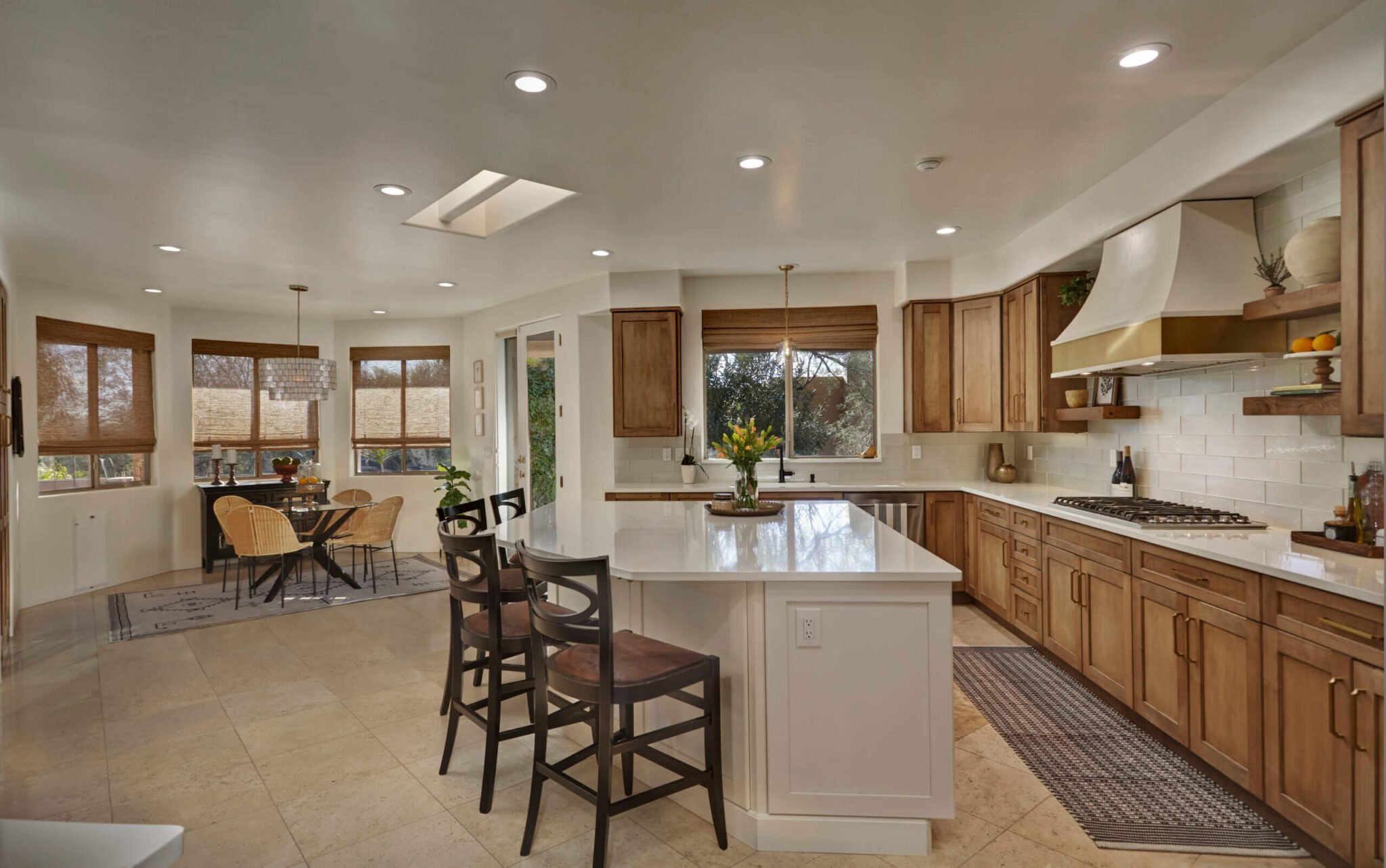
The kitchen is one of the most significant spaces in any home — not just in function, but also in how it reflects the property’s personality. While interior trends come and go, the relationship between a kitchen’s style and the overall character of the property should remain in harmony. A well-designed kitchen should look like it belongs in the home, enhancing its architecture and age rather than clashing with it. Whether you live in a period terrace, a countryside cottage or a new-build apartment, the right kitchen style can elevate both value and atmosphere.
Victorian and Edwardian Homes
Homes built during the Victorian or Edwardian eras often come with original character features such as high ceilings, large bay windows and ornate mouldings. These properties lend themselves beautifully to more classic kitchen styles. Shaker cabinets, painted timber finishes and traditional features like Belfast sinks and open shelving work particularly well here. Colours that reflect heritage — like soft sage, navy blue or warm cream — suit the era while allowing room for modern conveniences. Decorative cornicing, aged brass fittings and detailed tiling help link the kitchen with the rest of the house in a subtle but effective way.
Mid-Century Properties
Post-war homes built in the 1950s and 60s often benefit from larger footprints, clean lines and simpler architectural features. These homes are ideal for embracing both retro and contemporary kitchen designs. A kitchen in this setting can make the most of bold colour blocks, flat-front cabinetry and minimalist detailing. Warm wooden tones, such as walnut or teak, can echo the original materials used during the era. At the same time, adding modern appliances and a sleek splashback will bring the room up to date without losing the home’s identity.
Country Cottages and Rural Homes
For cottages or rural homes, the charm is in their rustic, lived-in feel. Kitchens in these properties should feel warm, timeless and comfortable — without being overly polished. Painted timber units, stone or timber flooring and open shelving with practical crockery on show all help to create a look that’s honest and functional. Farmhouse sinks, aged iron handles and natural worktops like wood or granite can tie into the natural elements of the countryside outside. This is a style where texture matters more than shine, and comfort outweighs minimalism.
1930s Suburban Homes
The interwar period brought about a wave of semi-detached homes with bay windows, wide hallways and generous gardens. Many of these homes have been modernised, but their original proportions and features still deserve to be respected. Kitchens in these houses tend to benefit from clever space planning — especially if extended. A hybrid kitchen style often works best here, where classic cabinetry can be paired with modern surfaces and lighting. It’s about striking the right balance between respecting the original build and adding fresh function for a modern family lifestyle.
New-Build Homes and Apartments
Modern developments, including both houses and flats, typically start with a blank canvas. These homes can handle bold choices, high-gloss cabinetry, integrated handleless designs and ultra-modern fittings. Because there’s no strong existing style to work around, homeowners often have more creative freedom. However, this freedom comes with responsibility — a kitchen that’s too traditional or overly ornate may feel out of place. Clean lines, neutral colour palettes and layered lighting suit this type of property well, allowing you to add personality through accessories, splashbacks or flooring choices.
Barn Conversions and Industrial Spaces
Converted properties like barns, lofts and former commercial spaces have strong architectural identities. High ceilings, exposed beams, steel windows and open-plan layouts require kitchen designs that embrace the industrial or modern rustic aesthetic. Here, raw materials such as concrete, natural stone, metal and reclaimed timber feel at home. Kitchens in these settings benefit from large islands, bespoke cabinetry and statement lighting. An overly traditional kitchen might jar against the industrial bones of the space, so it’s important to blend function with form in a way that celebrates the property’s unique structure.
Coastal Properties and Holiday Homes
For homes near the coast or those designed as holiday lets, light, bright and breezy kitchen styles tend to work best. Pale blue, white or sand-coloured cabinetry, open shelving and simple tiling evoke a relaxed atmosphere that suits beach living. Durable finishes, wipeable surfaces and low-maintenance materials are especially important in homes that may see high traffic or holiday turnover. Coastal kitchens can embrace soft textures, nautical accents and practical layouts that maximise light and airflow, all while still feeling stylish and welcoming.
Making It Work — No Matter the Budget
Whether your kitchen project is a full remodel or a gradual upgrade, the key is to ensure your choices reflect the age, architecture and scale of your home. A high-end handleless kitchen may look incredible, but it could feel jarring in a chocolate-box cottage. Likewise, traditional detailing might fall flat in a contemporary apartment. Even on a modest budget, aligning your kitchen style with your property type — through colour, layout, materials or lighting — can have a dramatic effect on how the whole home feels.
When in Doubt, Keep it Cohesive
The most successful kitchen designs aren’t about chasing trends. They’re about creating a space that feels cohesive with the rest of the property. Walking from one room to the next should feel natural, not like you’ve stepped into a completely different house. Look at the skirting boards, doors, windows and flooring elsewhere in the home, and choose a kitchen design that complements them. Matching tones and materials where possible – even just in small ways – can help the kitchen feel fully integrated into the home’s design language.
Author

Related Posts

Barnes Electricians: Reliable Electrical Solutions for Homes and Businesses in London
- 0
- 1,094 word
Finding experienced Barnes Electricians is important for homeowners, landlords, and businesses that need safe, dependable, and professionally maintained electrical systems. Barnes is a...
Read out all
Carpet Shop Near Waltham Abbey
- 0
- 454 words
Choosing the right carpet can completely transform your home, adding warmth, comfort, and style to every room. If you’re searching for a...
Read out all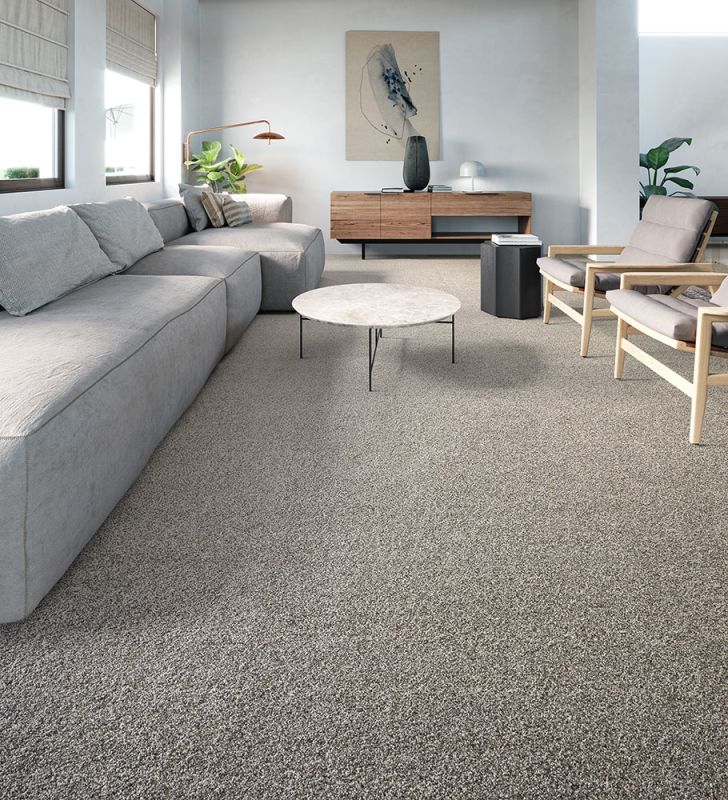
Flooring Shop Enfield
- 0
- 514 words
Choosing the right flooring can completely transform the appearance, comfort, and value of your home or commercial property. Whether you’re renovating a...
Read out allReshaping the Bank Holiday: From Garden Oasis to Indoor Healing, Starting an All-Scene “British Home Staycation” Paradigm
- 0
- 846 words
As the May breeze brushes along the banks of the Thames, British residents welcome one of the most anticipated moments of the...
Read out all
How Modern Property Trends and Energy Efficiency Are Shaping Brisbane Living
- 0
- 513 words
Brisbane’s property market continues to evolve as both investors and homeowners adapt to changing lifestyle expectations and rising energy awareness. Today, real...
Read out all
Mayfair London Dry Cleaners – Premium Textile Care
- 0
- 1,074 word
Luxury garments, tailored clothing, and fine household fabrics require a level of maintenance that goes far beyond ordinary home washing. In one...
Read out all