
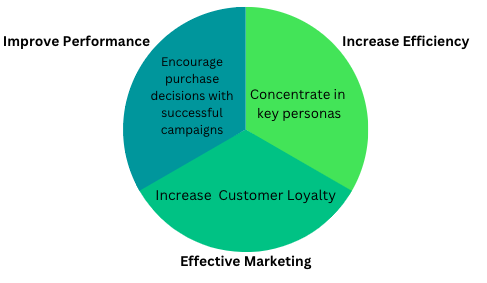
In an ever-competitive digital marketplace, businesses cannot make marketing decisions on gut feelings alone or assumptions alone. Instead, data-driven marketing provides businesses with a strong tool to understand customers, develop plans, and achieve clear results. Companies using data as part of their daily operation are better at getting work done, engaging more employees in the company, and experiencing long-term growth. Media outlets such as Theglobeandmail utilize insights and trends analysis for insight-led coverage, while companies that utilise data can make smart marketing decisions with big impacts.
Understanding Customer Behavior Through Data
One key advantage of data-driven marketing is learning about customer behavior. Information collected through websites, social media accounts, emails, and conversations helps companies determine how people react with material they encounter online and decide to purchase items from stores. By understanding their customers better, they can craft ads that resonate more strongly and generate more income from those customers.
Improving Targeting and Personalization
Data is helping companies move away from generalized marketing messages and toward targeted individual strategies that tailor content directly to individuals. Brands can use demographic data, behaviors, and interests of their audience segments to reach relevant material at just the right time – personalized marketing keeps people more interested while helping more people purchase goods at just the right time – creating stronger customer relationships overall. At The Quint Australia, we frequently publish insights that illustrate how data-driven tailoring makes customers happier with a brand as well as more loyal.
Optimizing Marketing Campaign Performance
Data-driven marketing makes it easier than ever before to understand what works and what doesn’t in marketing campaigns, thanks to performance factors like conversion rates, click-through rates, and cost per acquisition rates. Companies can then use this information in real-time to modify messages, channels, or budgets for maximum effectiveness – this continuous optimization ensures resources are spent wisely instead of being wasted on tactics that don’t deliver.
Supporting Better Content Marketing Decisions
Data findings can help make better content marketing choices. Analytics show what types of posts draw people in, get people engaged, and drive sales. Companies can use this information to refine how they create content, focusing on topics that provide readers with value over time. Coverage from sources like https://thebrisbanetimes.com.au shows how using data-driven strategies for content can build brand authority while earning trust from target audiences over time.
Enhancing Customer Retention and Lifetime Value
Data-driven marketing isn’t all about acquiring new customers; it’s also about keeping the ones you already have engaged. By looking at customer interactions in the past, businesses can identify opportunities to upsell, cross-sell, re-engage, or otherwise retain these existing customers. Regular communications that focus on retention rather than acquisition are often cheaper options compared with always trying to acquire more.
Enabling Smarter Budget Allocation
Data can make marketing funds work more efficiently for businesses. Businesses can identify which marketing channels work best and allot them the appropriate amount of funds and time. With these insights in hand, people spend less on activities that don’t produce results and more on those that do; data-driven budgeting has often been discussed as a method for taking control of one’s finances while improving marketing, often making headlines like the-sun.com.au article and industry talks.
Supporting Strategic Decision Making
Data-driven marketing provides businesses with invaluable assistance when making long-term business plans. Understanding market trends, customer insights, and competitive research is vital in making smarter choices to meet overall business goals – this makes marketing play a direct role in strengthening brands and income growth.
Conclusion
Data-driven marketing empowers businesses to do better by turning information into ideas they can act upon. Data gives businesses the power to market more accurately and precisely; understanding customer behavior, providing tailored experiences for campaigns, running more successfully in parallel, and spending money wisely are all possible using data-driven approaches in an ever-evolving marketplace. Businesses that leverage such strategies are better prepared to react swiftly when change arises while simultaneously reaching long-term goals more easily than their counterparts without data strategies in place.
