
- 0
- 803 words
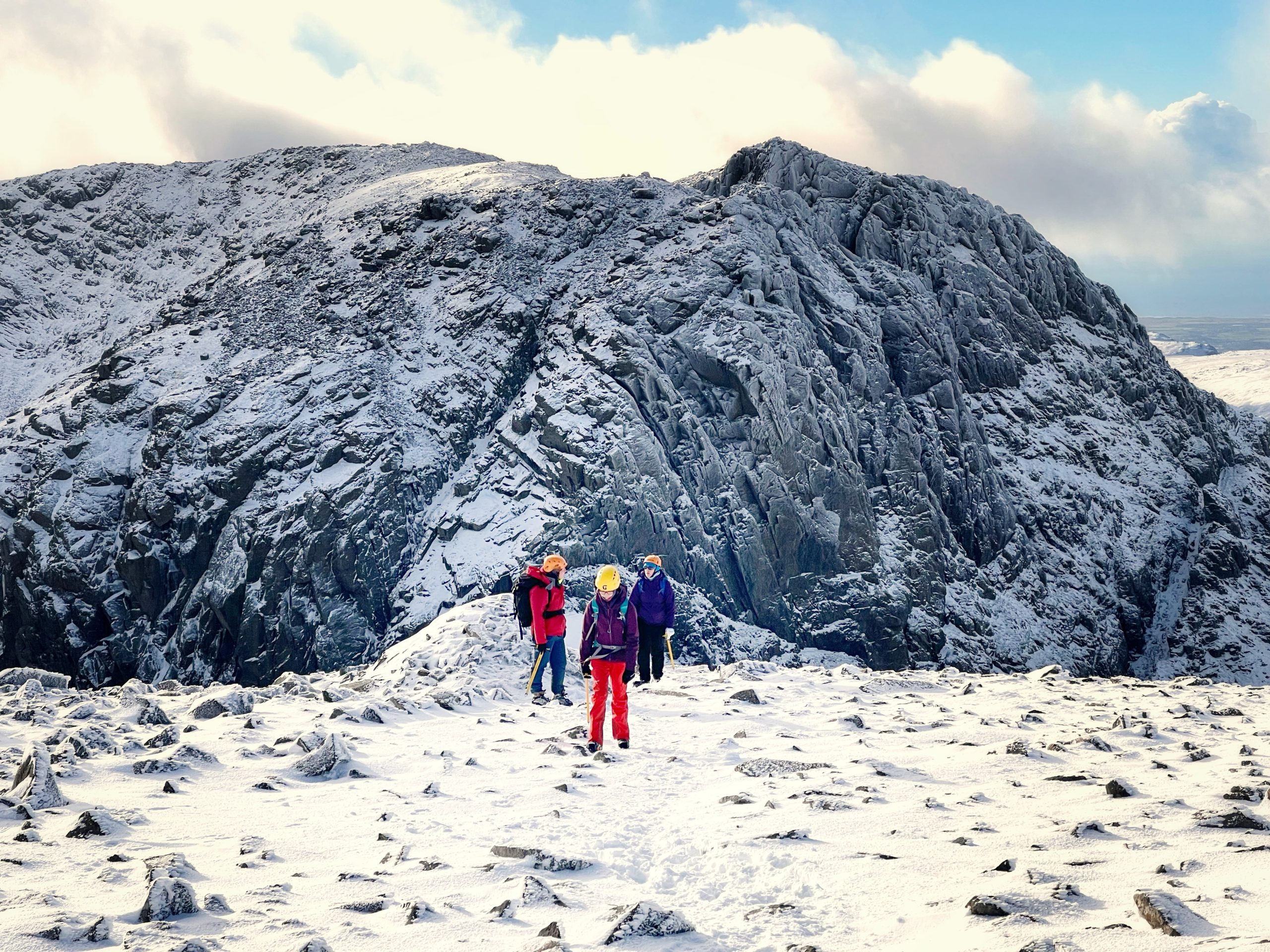
One of the most stunning locations in England for outdoor enthusiasts is the Lake District, which offers breathtaking scenery, serene valleys, and strenuous mountain paths. Scafell Pike, the highest peak in England at 978 meters above sea level, is one of its numerous attractions. It is a well-liked location for both seasoned hikers and daring novices because of its difficult terrain, breathtaking surroundings, and rewarding summit vistas. However, careful planning, appropriate gear, and an awareness of the difficulties ahead are necessary for a successful alpine trip.
Recognising Scafell Pike’s Beauty
Scafell Pike, which is situated in the centre of Lake District National Park, provides an amazing blend of scenic splendour and outdoor exploration. Walkers are drawn to the mountain all year round by its striking scenery, deep valleys, and steep slopes.
Climbing Scafell Pike requires traversing uneven terrain, steep portions, and erratic mountain weather, in contrast to typical rural treks. Despite the fact that there are several paths that go to the peak, each one has unique difficulties based on the terrain, elevation, and distance.
Selecting the right path is crucial for novices. While experienced hikers may choose more strenuous routes, people on their first significant mountain trek should think about well-travelled routes with reasonable lengths.
Selecting The Best Path For Your Journey
The whole hiking experience may be greatly impacted by choosing an appropriate route. Wasdale Head, Seathwaite, and Great Langdale are some of the well-liked starting points for Scafell Pike.
Many people believe that the Wasdale Head path is the most direct way to reach the peak. But its steep climb requires cautious pacing and a respectable level of physical condition. Walkers who prefer lengthy mountain treks may find the Seathwaite route intriguing since it offers a lengthier trip across a variety of scenery.
Hikers should take into account the weather, daylight availability, navigation knowledge, and level of fitness when choosing a route. Because vision may rapidly diminish at higher altitudes, it is crucial to have a comprehensive map and compass.
Getting Physically Ready For The Mountain
Hiking in the mountains demands physical strength, endurance, and balance. The body may be prepared for prolonged uphill travel by regular walking, aerobic activity, and strength training.
Those who are thinking about participating in the 3 Peaks Challenge UK should focus especially on endurance and recuperation. Reaching the highest mountains in Scotland, England, and Wales is a difficult task; therefore, physical preparation is crucial.
Hikers may gain confidence and learn how their bodies react to lengthy climbs by training on hills with varied terrain. Walkers who practice with a full backpack are also more equipped to carry necessary items on the real excursion.
Bringing Necessary Hiking Gear
When touring hilly areas, having the right gear greatly increases comfort and safety. Warm layers, a comfortable backpack, sturdy hiking footwear and waterproof apparel should all be regarded as necessities.
Even in the warmer months, the Lake District’s weather may change quickly. Hikers may better prepare for unforeseen circumstances by packing extra clothes, enough drinking water, energy-dense food, and emergency supplies.
Equally crucial is navigational equipment. Because cell connections and battery performance are not always reliable, digital navigation equipment should be accompanied by a real map and compass.
Longer trips may be made more comfortable with a light, whistle, and basic first aid pack.
Gaining Knowledge From Other Mountain Experiences
Hikers may learn important outdoor skills by exploring various mountains. Climbing Ben Nevis in Scotland, for instance, exposes hikers to a very difficult alpine environment where stamina, rugged terrain, and shifting weather all play significant roles.
While each mountain is different, prior hiking experience may help with route planning, equipment selection, and decision-making.
However, preparedness for one mountain should never be replaced by familiarity with another. Scafell Pike necessitates its own evaluation of path conditions, navigational difficulties, and weather predictions.
Honouring The Environment
Responsible hiking contributes to the preservation of the Lake District’s renowned natural vistas for future tourists.
Walkers should bring their trash home, avoid upsetting animals, and use designated trails where appropriate. A pleasant mountain experience is also influenced by respect for nearby villages, animals, and other outdoor enthusiasts.
It is sensible to check the weather forecast and provide someone with a travel plan before you go. It is usually better to turn back rather than continue toward the top if the situation becomes dangerous.
Conclusion
Scafell Pike provides a thrilling chance to test one’s endurance and outdoor abilities while taking in the breathtaking scenery of the Lake District. Careful preparation makes the trip more pleasurable and fulfilling, from choosing the best route to setting up equipment and understanding mountain conditions. Hikers who approach the experience with confidence, patience, and respect for the environment may make lifelong memories, whether they are exploring the mountain for personal success or just enjoying its natural beauty.
Author

Related Posts

Bhutan for First-Time Travellers: How to Go Beyond the Typical Itinerary
- 0
- 807 words
Bhutan is an ideal destination for first-time Indian travellers looking for a peaceful combination of Himalayan landscapes, traditional culture and unhurried travel....
Read out all
Chauffeur driven Waltham abbey
- 0
- 1,296 word
The Changing Standard of Private Travel Private travel has changed as passengers increasingly look for comfort, reliability, and organisation. In locations with...
Read out all
Unlocking Exclusive Horizons: How a Private Day Trip Reveals Hidden Gems and Local Attractions
- 0
- 532 words
Standard vacation itineraries frequently restrict travelers to predictable, heavily commercialized tourist corridors. While famous landmarks undoubtedly possess historical merit, the true essence...
Read out all
5 Legendary Himalayan Treks You Can Compare on Trek Up India
- 0
- 853 words
Planning a Himalayan trek is exciting, but the sheer number of options can be paralyzing. Do you go for snow or wildflowers?...
Read out all
North London chauffeur service
- 0
- 968 words
Luxury ground transport has evolved significantly over the past decade, especially in metropolitan areas where reliability and presentation matter deeply. A North...
Read out all
10 Smart Hacks for Booking Cheap Hotels in Singapore Without Compromising Comfort
- 0
- 1,202 word
Singapore, a vibrant city-state renowned for its skyscrapers and diverse culture, often seems expensive for travelers. Yet, there are several smart ways...
Read out all