
- 0
- 999 words
Few youth development programmes carry the international reputation, longevity, and credibility of the duke of edinburgh award.
Established in the United Kingdom in 1956 by Prince Philip, Duke of Edinburgh, the programme has grown from a small pilot scheme into a global movement operating in more than 140 countries.
Millions of young people between the ages of 14 and 24 have taken part, using the framework to build confidence, resilience, and a genuine sense of personal achievement.
Unlike academic qualifications or competitive sporting titles, the award is not about beating anyone else.
It is a self-paced, individually designed journey that challenges each participant to step outside their comfort zone, try new activities, serve their community, and complete an outdoor expedition — all while working toward a recognised, internationally respected credential.
A Brief History
The programme was inspired by the Moray Badge, a scheme Prince Philip had encountered as a pupil at Gordonstoun School in Scotland.
Believing that young people needed structured opportunities for adventure, service, and self-improvement outside the classroom, he helped design a framework built around four key pillars.
Since its founding in October 1956, the award has been adopted by schools, community organisations, and youth groups across the Commonwealth and beyond, becoming one of the most widely recognised non-academic achievements a young person can earn.
The Three Levels of the Award
The programme is structured into three progressive levels, each demanding a greater level of commitment and maturity than the last:
- Bronze – The entry level, open to participants from around age 14, typically taking a minimum of six months to complete.
- Silver – The intermediate level, usually undertaken from age 15, requiring a minimum of six months (or three months if entered directly without completing Bronze).
- Gold – The highest level, generally open to participants aged 16 and above, requiring a minimum of twelve months of sustained effort.
Participants must complete each level before their 25th birthday, and while many progress from Bronze through to Gold, direct entry at Silver or Gold is possible depending on the participant’s age and the rules of the operating authority in their country.
The Core Sections of the Programme
At every level, participants work across several structured sections, each designed to build a different set of life skills. While Gold introduces an additional requirement, the foundational sections remain consistent throughout the programme:
- Voluntary Service – Participants commit regular time to helping others, whether through community organisations, charities, environmental projects, or peer support initiatives. This section builds empathy, teamwork, and a sense of civic responsibility.
- Physical Recreation – Involves improving performance or skill in a chosen sport, dance style, or fitness activity over a sustained period, encouraging healthy habits and personal discipline.
- Skills – Focused on developing a practical or creative talent, from music and cooking to coding or public speaking, allowing participants to pursue existing interests or explore something entirely new.
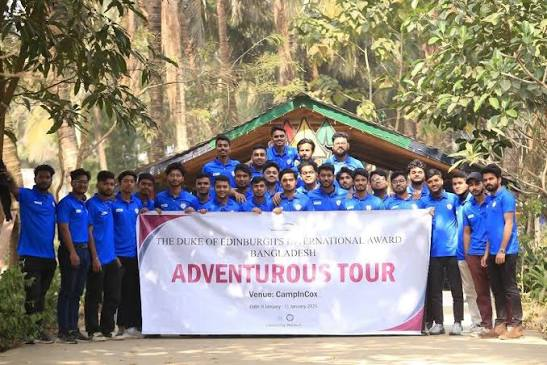
- Adventurous Journey (Expedition) – A supervised, team-based outdoor expedition that requires planning, training, navigation, and teamwork, usually involving several days of travel through unfamiliar terrain.
- Residential Project (Gold level only) – An additional requirement unique to Gold, involving a shared activity undertaken away from home for several days, designed to build independence and cooperation with people outside a participant’s usual social circle.
Why the Award Matters
The value of the programme extends well beyond the certificate awarded at completion. Because it blends structured goal-setting with genuine independence, participants often describe it as one of the most formative experiences of their teenage years.
Universities and employers frequently recognise the award as evidence of initiative, time management, and resilience — qualities that are difficult to demonstrate through academic transcripts alone.
Key benefits commonly reported by participants and educators include:
- Improved self-confidence and independence
- Stronger time-management and goal-setting skills
- Genuine, hands-on experience of teamwork and leadership
- A meaningful way to give back to the community
- Development of practical outdoor and navigation skills
- An internationally recognised credential valued by universities and employers
How Schools and Organisations Deliver the Award
The programme is typically delivered through schools, youth groups, and accredited outdoor education providers, who act as licensed operators under the international award framework.
These organisations provide trained leaders and assessors who guide participants through each section, verify that activities meet the required standards, and support the planning and supervision of expeditions — particularly important given the physical and logistical demands of the adventurous journey section.
Because the expedition component requires specialist planning, risk management, and outdoor experience, many schools partner with dedicated adventure and outdoor education providers to deliver this part of the programme safely and effectively.
This ensures participants receive proper training in navigation, camping, and emergency procedures before setting out into more remote environments.
Who Can Take Part
One of the defining strengths of the programme is its inclusivity. It has no academic prerequisites and does not require prior experience in outdoor activities, sport, or volunteering.
Any young person within the eligible age range can register, regardless of background, ability, or location. Adjustments can be made for participants with disabilities or additional needs, ensuring the framework remains accessible to as broad a range of young people as possible.
Getting Started
Participants typically register through a school, community group, or an approved independent operator. Once registered, they work with a mentor or leader to select activities across each section, agree on personal goals and timelines, and begin logging their progress.
Because the framework is flexible, participants can work on multiple sections simultaneously or focus on one at a time, provided they meet the minimum time requirements for their chosen level.
Conclusion
Nearly seven decades after its founding, the Duke of Edinburgh Award remains one of the most respected non-academic achievements a young person can pursue.
By combining community service, physical activity, skill development, and outdoor adventure into a single structured framework, it offers something increasingly rare: a genuine opportunity for young people to challenge themselves on their own terms, build lasting confidence, and walk away with an achievement that speaks for itself long after the programme ends.
Reference
- The Royal Family, “The Duke of Edinburgh’s Award”, royal.uk.
Author

Related Posts

Business Services Surrey
- 0
- 579 words
Surrey is home to a diverse business community, ranging from independent companies and family-run organisations to established professional firms and growing enterprises....
Read out all
Pedia Dentist Near Me: A Parent’s Guide to Finding the Right Children’s Dentist
- 0
- 961 words
Searching “pedia dentist near me” is often the first step parents take when they realize their child needs specialized dental care. Unlike...
Read out all
Small Business UK
- 0
- 570 words
Small businesses are an essential part of the UK economy. From independent retailers and professional service providers to tradespeople, technology companies and...
Read out all
Corporate News London
- 0
- 585 words
London is one of the UK’s most active business centres, with companies of all sizes operating across finance, technology, property, retail, professional...
Read out all
When a polygraph report reaches a care record: consent, special category data and proportionality
- 0
- 552 words
Most health and care professionals will never commission a polygraph examination. A smaller number will encounter one indirectly, through multi-agency safeguarding work,...
Read out all
DIY Wedding Centerpieces with Wholesale Carnations: Elegant Ideas on a Budget
- 0
- 1,169 word
Planning beautiful wedding décor doesn’t have to mean stretching your budget. One of the easiest ways to create elegant floral displays without...
Read out all