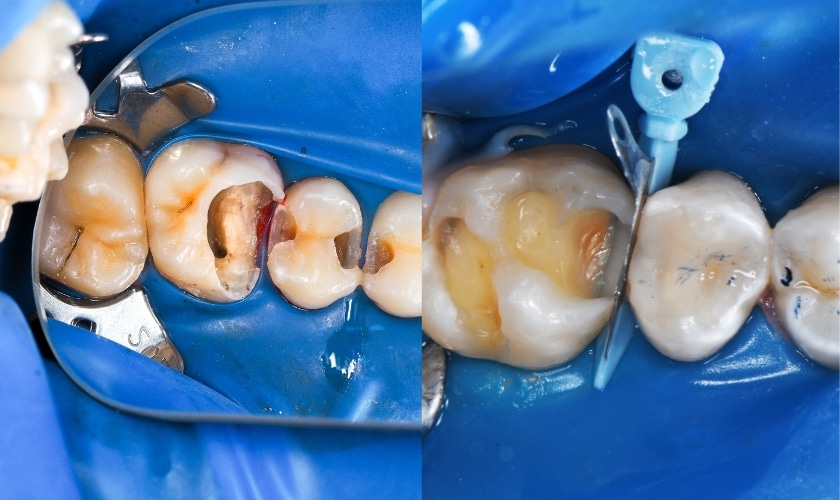

When a sudden toothache strikes, the intensity of the discomfort can rapidly disrupt everyday life, turning routine physiological functions like eating, speaking, or resting into agonizing tasks. Dental pain is notoriously severe due to the highly specific and unforgiving anatomy of the human tooth. Unlike soft bodily tissues that can easily expand when inflamed, the dental pulp—the living, vascular core inside the tooth housing sensitive nerves and blood vessels—is strictly encased in rigid layers of dentin and enamel. When a deep bacterial infection, physical trauma, or a cracked surface triggers a localized inflammatory response, the engorged tissue has absolutely nowhere to expand. This creates immense mechanical pressure directly on the highly reactive trigeminal nerve endings. This profound physiological reality demands a targeted approach to pain management that addresses both the neurological pain signals and the localized, underlying physical swelling.
For individuals desperately awaiting a professional evaluation, achieving a safe level of temporary relief is paramount. Dental professionals frequently recommend a specific, highly structured pharmacological protocol to successfully bridge the gap between the sudden onset of pain and an emergency dental appointment. This structured approach, widely recognized across the oral healthcare sector as the 3-3-3 rule for toothache, utilizes over-the-counter non-steroidal anti-inflammatory drugs (NSAIDs) to systematically control the biological inflammatory cascade. Rather than taking medication haphazardly or waiting for the pain to become entirely unbearable before reaching for a bottle, this method ensures a steady, reliable therapeutic level of the active ingredient remains in the bloodstream, continuously suppressing the specific enzymes responsible for the swelling.
To execute this strategy correctly and safely, one must fully grasp its exact numerical parameters. The protocol relies almost exclusively on ibuprofen, a widely accessible NSAID proven to be exceptionally effective for intra-oral pain. The first “3” in the sequence dictates the immediate dosage: taking three standard 200-milligram tablets of ibuprofen simultaneously, equating to a single total dose of 600 milligrams. The second “3” refers precisely to the frequency of administration: taking this 600-milligram dose three times throughout a twenty-four-hour period. This translates to administering the medication once every eight hours, typically aligning with morning, afternoon, and evening meals. Finally, the third “3” establishes the strict duration of the regimen: continuing this exact, unyielding dosing schedule for a maximum of three consecutive days.
A common pitfall individuals encounter when self-administering this regimen is abandoning the schedule prematurely. If the throbbing subsides after the initial dose, patients frequently skip the subsequent dose, only for the excruciating pressure to return hours later with increased ferocity. Adhering strictly to the eight-hour intervals prevents these debilitating peaks and valleys, maintaining a constant suppression of the inflammatory response.
The overarching pharmacological superiority of ibuprofen for dental distress lies in its highly specific mechanism of action. While standard central analgesics like acetaminophen successfully block pain receptors in the central nervous system, they do absolutely nothing to resolve local, physical swelling. Ibuprofen, conversely, actively inhibits the production of cyclooxygenase (COX) enzymes. These specific enzymes are heavily involved in synthesizing prostaglandins, the lipid compounds that directly mediate inflammation, localized fever, and pain at the exact site of tissue damage. By chemically dampening prostaglandin production, the medication physically reduces the swelling within the confined pulp chamber or the surrounding periodontal ligaments, thereby relieving the brutal mechanical pressure causing the acute agony.
While this structured regimen is undeniably effective, adhering to strict medical safety guidelines remains non-negotiable. Consuming 1,800 milligrams of ibuprofen daily falls safely within the accepted threshold for short-term, acute pain management in healthy adults, but it significantly exceeds standard over-the-counter label recommendations. Therefore, the medication must absolutely be ingested with a substantial amount of food to mitigate its well-documented gastrointestinal side effects. NSAIDs can severely irritate the stomach lining and, in extreme cases, provoke ulcers if routinely taken on an empty stomach. Furthermore, this specific high-dose protocol is entirely contraindicated for individuals suffering from severe kidney disease, active gastric ulcers, systemic bleeding disorders, or specific NSAID-induced asthmatic conditions.
Adjunctive, non-pharmacological measures should also be employed to maximize the efficacy of this chemical intervention. Maintaining an elevated head position during sleep limits the amount of blood rushing to the cranium, thereby preventing further vascular engorgement within the damaged tooth. Additionally, strictly applying external cold compresses to the affected side of the jaw for fifteen-minute intervals forces localized vasoconstriction, further reducing the painful throbbing sensation while the medication circulates.
It is crucially important to recognize the inherent limitations of pharmacological pain suppression. Anti-inflammatory medication merely masks the devastating symptoms; it cannot magically cure a deep bacterial infection, permanently seal a fractured root, or reverse severe, penetrating decay. If a patient experiences a sudden, complete cessation of pain after a few days without professional intervention, it rarely signifies spontaneous, miraculous healing. More often, it indicates a far more severe outcome: the dental pulp has become completely necrotic. When the nerve tissue dies, it temporarily halts the transmission of pain signals, while the underlying infection quietly and dangerously spreads deeper into the supporting jawbone.
Consequently, temporary pain management protocols must always be directly paired with definitive, permanent restorative treatment. Advanced dental facilities equipped to handle urgent oral care, such as Dentprime, offer the essential diagnostic imaging and precise clinical interventions required to eliminate the root cause of the distress entirely. Relying heavily on anti-inflammatory medication beyond the strictly stipulated three-day window drastically increases the risk of severe systemic side effects and allows the initial dental pathology to worsen significantly. Proper oral health strategy demands using these powerful pharmacological tools exactly as intended: as a highly controlled, short-term bridge to a permanent, professional medical resolution.