
- 0
- 1,344 word
It is one of those health issues that most people do not think about until it becomes impossible to ignore. You start noticing that the television sounds quieter than it used to. Conversations in busy cafes become harder to follow. A low ringing settles in one or both ears and simply will not go away. For a large and growing number of Londoners, these experiences point to a single, treatable cause: ear wax buildup. And in a city where the NHS no longer routinely provides ear wax removal services, knowing where to turn has become more important than ever.
The Quiet Scale of the Problem
Ear wax impaction is not a rare or minor complaint. Around 2.3 million people across the UK require professional ear wax removal every year, with Londoners disproportionately affected due to the city’s particular mix of pollution, noise, and high-pressure lifestyles. Approximately 3.9 percent of the capital’s population needs intervention annually, with sharply higher rates among hearing aid users, older adults, and the millions of commuters who spend hours each day with in-ear headphones sealed against their canals.
The health consequences of leaving it untreated are genuine. Conductive hearing loss, persistent tinnitus, recurrent ear infections, and balance problems are all documented outcomes of significant wax impaction. In older Londoners, hearing loss from untreated buildup has been associated with social withdrawal and accelerated cognitive decline. In working adults, the impact on concentration, communication, and professional performance is tangible. This is not a condition to manage with a cotton bud and hope for the best.
Why London Life Speeds Things Up
The city’s rhythm makes ear wax problems more likely and more persistent. Daily commutes on the Underground mean hours spent with earbuds pressed into the canal, trapping heat, moisture, and compacting wax inward. Open-plan offices with constant air conditioning dry the canal and trigger compensatory overproduction. The chronic stress of London working life raises cortisol levels, which thickens ear secretions. Regular travel through Heathrow and London City Airport creates cabin pressure changes that push wax deeper.
Add to this London’s air quality. Particulate pollution enters the ear canal and mixes with cerumen, creating denser plugs that resist natural clearance. The very things that define living and working in the capital are the same things driving this condition in its residents.
The NHS Gap That Leaves Millions Without Options
The withdrawal of NHS ear wax removal services has been one of the less-reported healthcare policy shifts of recent years, but its impact on patients has been significant. RNID research confirms that the majority of Integrated Care Boards across England have stopped commissioning routine removal, despite NICE guidance recommending it remains available to those with clinical need. Around two thirds of patients who now raise the issue with their GP are turned away. Those who cannot afford private care are left with limited and often risky alternatives.
RNID’s Stop the Block campaign has been pressing for national recommissioning and the case is well supported by clinical evidence. Progress has been slow, however, and Londoners dealing with impacted wax need practical guidance now rather than when policy catches up.
What Not to Do: The Real Risks of Home Removal
The retreat of NHS services has driven more people toward self-management, and the options widely available to them carry real risks. Cotton buds are the most commonly used and most consistently criticised. They do not remove wax. They push it deeper and more firmly against the eardrum, while causing small abrasions along the canal wall that make infection far more likely. No audiologist or hearing health body in the UK recommends them for internal ear cleaning, yet they remain one of the most purchased products in the country.
Over-the-counter softening drops have a role in mild cases but regularly fail to shift a genuine blockage. When they soften a plug without expelling it, they can actually make professional removal harder. Home irrigation kits introduce water without any clinical oversight, making them dangerous for anyone with a history of perforations, ear surgery, or chronic infections. Ear candles carry no clinical evidence of efficacy and active risks of harm. For any significant buildup, professional assessment is always the correct first step.
Microsuction: Why It Has Become the Standard
Across London’s private audiology clinics, microsuction has replaced irrigation and syringing as the treatment of choice. The approach is straightforward: a fine, low-pressure suction probe is used under direct magnification to remove wax precisely and without introducing water into the canal. The clinician can see the ear canal and eardrum clearly throughout the entire procedure, making it significantly safer than any form of irrigation-based treatment.
Because no water is used, microsuction is suitable for patients with perforated eardrums, grommets, a history of ear surgery, or chronic infections. Sessions take around 20 to 30 minutes. Many patients report a noticeable and immediate improvement in hearing as soon as the procedure is complete. Video otoscopy provides clear visual confirmation of a clean canal before and after treatment. There is no recovery period. Patients leave the appointment and get on with their day.
For Londoners who have been managing blocked or muffled ears for weeks or months without resolution, the difference is often immediate and striking.
Choosing a Provider You Can Trust
As private demand has grown to fill the NHS gap, the number of providers offering ear wax removal in London has increased considerably. Quality varies, and knowing what distinguishes a safe, reputable clinic from a less rigorous one matters before booking.
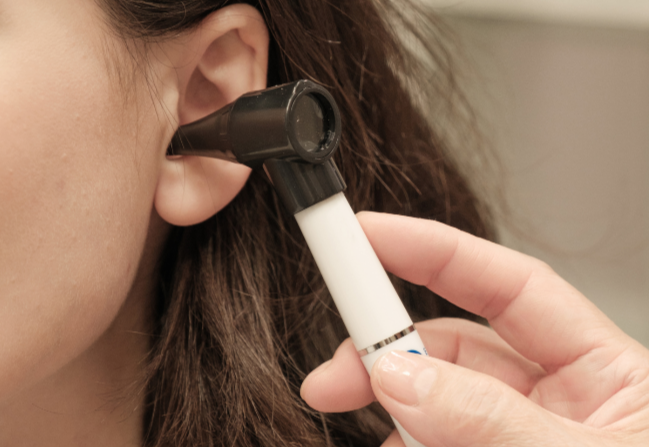
The indicators to look for are CQC registration, confirming the service meets national healthcare standards, and procedures carried out by qualified audiologists rather than unregulated practitioners. The clinic should use microsuction as its primary method. A pre-treatment examination using an otoscope should always take place before any procedure begins, and patients should receive clear aftercare guidance on how to maintain ear health and reduce the chance of recurrence.
Auris Ear Care (https://www.aurisearcare.co.uk/ear-wax-removal-london) is a specialist provider that meets all of these standards, delivering clinician-led microsuction across London with a clear emphasis on patient safety, thorough examination, and genuine aftercare. For Londoners who have been turned away by their GP, let down by home remedies, or simply looking for a provider they can rely on, it is exactly the kind of service the current landscape demands.
Prevention: What to Do Between Appointments
Once your ears have been professionally cleared, a small number of consistent habits significantly reduce the likelihood of repeated impaction:
Apply two or three drops of olive oil to each ear two or three nights per week. This keeps wax soft and supports natural migration out of the canal. Clean the outer ear only, using a damp cloth. Nothing should be inserted into the canal itself. Give your ears regular breaks from in-ear headphones, particularly during long commutes or sustained desk sessions. Keep listening volume at around 60 percent to reduce heat and pressure in the canal. Book an annual check with a qualified audiologist if you wear hearing aids, are over 50, or have a history of ear problems.
When to Act Without Delay
Most cases of ear wax buildup develop gradually and respond well to a routine appointment. Some symptoms, however, require same-day clinical assessment. Seek urgent help if you experience sudden hearing loss in one or both ears, sharp pain inside the ear, discharge or bleeding from the canal, severe dizziness, or any facial weakness. These can indicate a ruptured eardrum or acute infection that should not wait for a scheduled slot.
Hear the City Clearly
Ear wax removal London has become one of the most searched health terms in the capital because the need is both widespread and underserved. Whether you are already experiencing symptoms or simply want to protect your hearing before problems develop, the priority is the same: find a qualified, CQC-registered provider using evidence-based microsuction and book an appointment sooner rather than later.
For professional ear wax removal London delivered by trained clinicians using gold-standard microsuction, visit Auris Ear Care: https://www.aurisearcare.co.uk/ear-wax-removal-london
Author

Related Posts
Shaping the Future of Global Health: ‘Go Healthy with Taiwan 2026’ Unveils Top 20 Innovators from 62 Nations
- 0
- 808 words
Global campaign shatters records with 832 proposals, spotlighting breakthrough solutions in Smart Healthcare and Sports Tech. The 20 Semifinalists for the “2026...
Read out all
Green Supreme: Premium Cannabis Concentrates for Flavour and Potency
- 0
- 625 words
The concentrate market gives cannabis enthusiasts an impressive variety of ways to experience their favourite strains, from traditional shatter to live resin,...
Read out all
How to Choose the Best Aesthetic Clinic in London: A Complete Guide
- 0
- 871 words
London has no shortage of aesthetic clinics, and that is exactly what makes choosing one so difficult. A quick search for an...
Read out allGo Healthy with Taiwan 2026 Launches New Top 20 Mentorship Program to Turn Bold Health Ideas into Market-Ready Solutions
- 0
- 523 words
Building on a record-breaking inaugural edition — 638 proposals from 55 countries — the 2026 campaign’s new Top 20 Mentorship Program pairs...
Read out all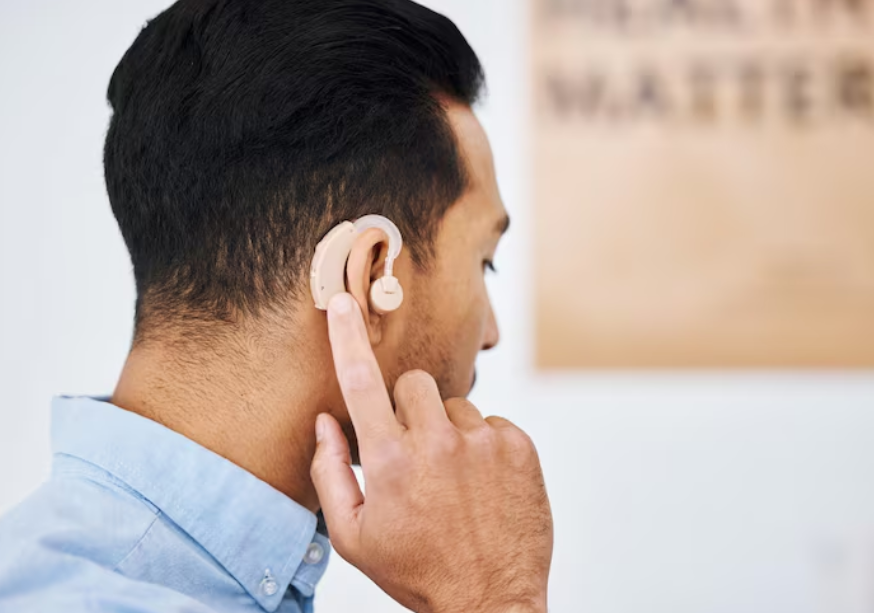
How Hearing Aids Can Enhance Your Quality of Life After Hearing Loss
- 0
- 507 words
Hearing loss can make everyday life more difficult than many people expect. Simple activities like talking with family, watching TV, or attending...
Read out all
Trusted Richmond Chiropractic Care for Whole-Body Wellness
- 0
- 1,015 word
Back pain and musculoskeletal disorders are among the most common health issues affecting adults in the United States, with millions experiencing discomfort...
Read out all